 ultimate-guide
Dignified Funeral Services in Sydney: 2026 Guide
Table of Contents
- Understanding Dignified Funeral Services in Sydney
- Average Cost of a Funeral in Sydney: What to Expect
- Your Funeral Planning Checklist: A Step-by-Step Guide
- Cultural and Religious Funeral Customs in Sydney
- Eco-Friendly and Sustainable Funeral Options
- Grief Support Resources for Families
- Choosing the Right Funeral Director for Your Family
- Frequently Asked Questions
Last Updated: September 20, 2026
Understanding Dignified Funeral Services in Sydney
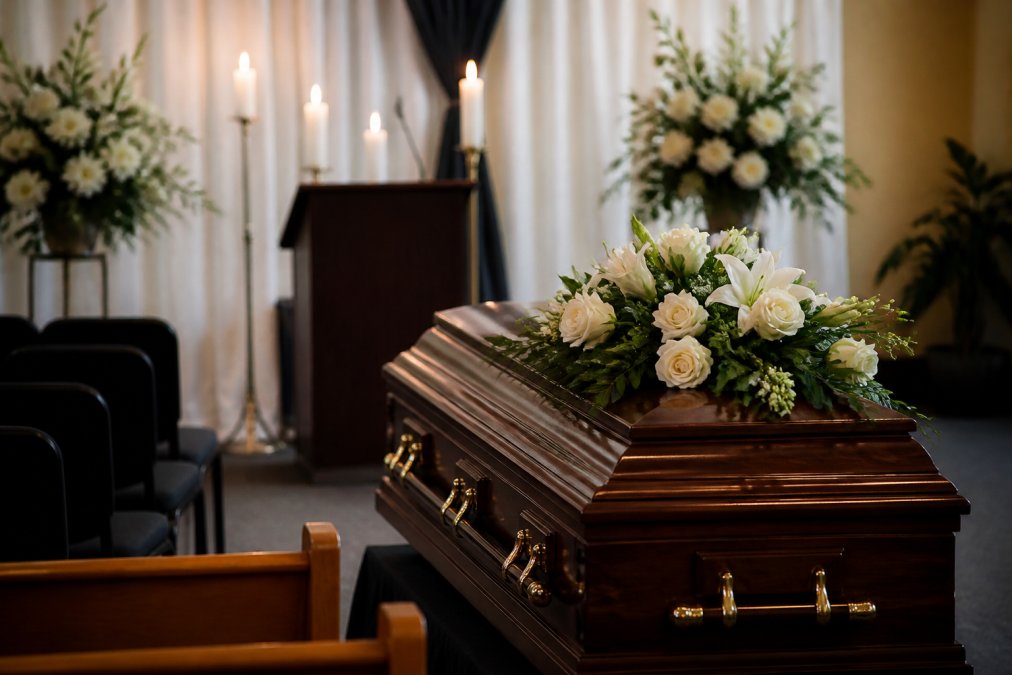
Dignified funeral services in Sydney honour a person's life through respectful care, cultural sensitivity and transparent guidance, from the first call through to burial or cremation. This guide covers the paperwork, cultural and religious customs, and how to choose a funeral director without being pressured.
Average Cost of a Funeral in Sydney: What to Expect
Funeral pricing varies widely by provider, service type and choices, so treat any single figure with caution and request a written itemised quote before committing.
How Funeral Costs Are Actually Structured
Almost every quote is built from four layers. Understanding them lets you compare providers on equal terms:
- Professional service fee, the director's time, coordination, permits and lodgement of paperwork. This is usually the largest single line and the hardest to compare because inclusions vary.
- Transfer and care of the deceased, collection from the place of death, refrigeration, preparation and dressing. After-hours, weekend and long-distance transfers often attract a surcharge.
- Disbursements (third-party costs), crematorium or cemetery fees, celebrant or clergy fees, doctors' cremation certificates, newspaper notices and flowers. These are passed through at or near cost and are the easiest to verify independently.
- Merchandise, coffin or casket, urns, memorial books, tribute videos. This is where the widest price spread exists and where pressure to upgrade is most common.
A Framework for Comparing Quotes
Rather than chasing a single 'average', ask each provider to break their quote into the categories below. A director who will not itemise is one to walk away from.
| Cost Category | What It Covers | Watch For |
|---|---|---|
| Professional fees | Director's time, coordination, permits, registration lodgement | Bundled fees hiding admin charges; unclear inclusions |
| Transfer and care | Collection, storage, preparation, dressing | After-hours surcharge; distance beyond metro area |
| Coffin or casket | Selection and grade | Pressure to upgrade on the day; unclear grade definitions |
| Cremation or burial | Crematorium or cemetery fees | Separate cemetery plot cost; interment fee; headstone not included |
| Service costs | Celebrant, venue, AV, order of service, music licensing | Travel fees outside the metro area; venue hire quoted separately |
| Extras | Flowers, notices, tribute video, catering, memorial items | Added without clear consent; not flagged as optional |
What Drives the Price Up or Down
The biggest swing factors are not the base package:
- Burial versus cremation. Burial typically involves a cemetery plot, interment fee and often a headstone, all of which sit outside the funeral director's fee. Cremation avoids the plot cost but adds a crematorium fee and, if you want a permanent memorial, an urn or niche.
- Time of year and day of week. Weekend, public holiday and peak-period services often carry surcharges.
- Venue choice. A chapel owned by the funeral director is usually cheaper than a separate church, club or function centre.
- Coffin grade. This is the single largest discretionary line. A simple veneer coffin and a solid timber casket can differ by thousands of dollars for the same functional purpose.
- Embalming. Not always required. Ask whether it is necessary for your circumstances or simply standard practice at that provider.
Where to Find Independent Price Information
The Australian Competition and Consumer Commission guidance on funeral pricing sets out what providers should disclose and how to compare quotes. It is worth reading before you sign anything. If a provider will not give you a written itemised quote before the arrangement meeting, that is a warning sign rather than a formality.
Your Funeral Planning Checklist: A Step-by-Step Guide
A funeral planning checklist keeps decisions in order so nothing urgent gets missed while you are grieving. Work through it in sequence and delegate where you can.
- Confirm whether the deceased left a pre-paid funeral plan or written wishes
- Obtain the Medical Certificate of Cause of Death from the doctor or hospital
- Contact a funeral director and request an itemised quote
- Register the death with the NSW Registry of Births, Deaths and Marriages
- Choose burial or cremation, and confirm the cemetery or crematorium
- Select a celebrant, religious leader or officiant
- Decide on flowers, notices, music and any tribute video
- Confirm the order of service and procession details
- Arrange the wake or gathering after the service
- Notify Centrelink, banks, insurers and superannuation funds
Legal and Administrative Checklist
The paperwork matters as much as the ceremony. In New South Wales, a death must be registered with the NSW Registry of Births, Deaths and Marriages, and the funeral director typically lodges the required documentation on your behalf. You will usually need certified copies of the death certificate for banks, insurers, super funds and government agencies.
- Medical Certificate of Cause of Death obtained
- Death registered with the state registry
- Certified copies of the death certificate ordered
- Will located and executor notified
- Centrelink and Services Australia informed
- Bank accounts, superannuation and insurance notified
- Utility and subscription accounts closed or transferred
Cultural and Religious Funeral Customs in Sydney
Cultural and religious funeral customs shape everything from washing and shrouding to the timing of the service and the direction of the burial. A director who understands your tradition removes enormous stress from the family. The detail below is a starting point for your conversation with your director, not a substitute for guidance from your religious authority.
What to Brief Your Director On
Across every tradition, the same practical questions determine whether a service runs smoothly:
- Timing. How soon after death must the burial or cremation take place? Some traditions require same-day or next-day burial; others allow several days for relatives to travel.
- Handling of the body. Is ritual washing, shrouding or dressing required, and who performs it? Can the funeral director's staff be present, or must it be done by members of the community?
- Direction and positioning. Does the grave or coffin need to face a particular direction?
- Who leads the service. Is it a clergy member, a community elder, a family member, or a celebrant?
- Cremation. Is it permitted, discouraged or forbidden?
- Post-burial observances. Are there mourning periods, prayers or gatherings the family will need to accommodate?
Faith-by-Faith Starting Points
Islam. Burial typically takes place as soon as possible after death, often within 24 hours. The body is ritually washed (ghusl), shrouded in plain cloth (kafan) and buried without a coffin in many traditions, though cemetery rules may require one. A funeral prayer (janazah) is held, usually at the mosque or cemetery, and the deceased is buried facing Mecca. Cremation is not permitted.
Questions Worth Asking a Director
- How many services have you arranged for families from our specific tradition?
- Can you accommodate same-day or next-day burial if our tradition requires it?
- Do you have contacts with our mosque, temple, synagogue, gurdwara or church?
- Can our community perform the washing and preparation, and how does that work with your facilities?
- Do you know the cemetery or crematorium requirements that affect our rites?
Eco-Friendly and Sustainable Funeral Options
Sustainable funeral options reduce environmental impact without reducing dignity. The main choices are natural burial, cremation with a biodegradable coffin or shroud, and lower-emission alternatives where available.
Grief Support Resources for Families
Grief support is not an optional extra. Bereavement services help families process loss long after the funeral.
Choosing the Right Funeral Director for Your Family
The right funeral director answers your questions in plain language, gives you a written itemised quote, and never rushes a decision. Price matters, but responsiveness and cultural understanding matter more.
Ask these questions before you commit:
- Can you provide a full itemised quote in writing?
- What is included, and what costs extra?
- Are you available 24/7 for the initial call and through the arrangement?
- How many services have you arranged for families from our faith or culture?
- Do you offer pre-paid funeral plans?
- What aftercare or bereavement support do you provide?
Australian Competition and Consumer Commission guidance on funeral pricing
Frequently Asked Questions
What does a dignified funeral service include?
A dignified funeral service typically includes professional guidance from a funeral director, respectful handling of your loved one, and arrangements for burial or cremation. It often features a personalised tribute, such as a memorial service with celebrant services, floral arrangements, and a tribute video. The focus is on honouring a life with compassionate care and cultural sensitivity, ensuring the family feels supported throughout.
How much does an average funeral cost in Sydney?
The average cost of a funeral in Sydney varies widely based on the provider, service type, and specific requirements. Factors like coffin selection, venue hire, and celebrant services affect the final price. For a precise quote tailored to your needs, contact Ceremonies With Faisal directly.
Can I personalise a funeral service to reflect my loved one's faith?
Yes, personalising a funeral service to reflect your loved one's faith is not only possible but encouraged. Many funeral directors specialise in culturally sensitive and religious rites, including Muslim, Christian, and non-religious ceremonies. You can incorporate specific prayers, rituals, and traditions. Ceremonies With Faisal, led by an experienced Sheikh, offers compassionate support to ensure the service honours your family's beliefs and values.
What are the legal requirements for a funeral in New South Wales?
In New South Wales, a funeral typically requires a Medical Certificate of Cause of Death or a coroner's report, and a death certificate must be registered with the Registry of Births, Deaths and Marriages. Burial or cremation requires approval from the local council or relevant authority. Funeral directors usually handle these administrative steps, but families should confirm the process with their chosen provider to ensure compliance.
Losing someone you love is hard enough without navigating opaque pricing, unfamiliar paperwork and cultural misunderstandings on top of it. Ceremonies With Faisal offers compassionate support during funeral and memorial services, tailored ceremonies that reflect individual stories and values, and professional guidance that respects both faith and legal requirements. Get started with Ceremonies With Faisal and arrange a farewell that honours your family's wishes with dignity and care.