 ultimate-guide
Understanding Australian Marriage Law 2026: A Complete Guide
Table of Contents
- Legal Requirements to Get Married in Australia in 2026
- The Notice of Intended Marriage Form: What You Need to Know
- Australian Marriage Celebrant Requirements
- Marriage Certificate Australia: How to Obtain Yours
- Religious Ceremonies and Legal Recognition
- Recent and Upcoming Changes to Australian Marriage Law
- Conclusion
- Frequently Asked Questions
Last Updated: October 20, 2026
Legal Requirements to Get Married in Australia in 2026
Australian marriage law sets out clear conditions that must be met before a wedding can be legally recognised. Understanding these requirements early prevents costly surprises, delayed ceremonies, or the heartbreak of discovering your marriage is not valid. At Ceremonies With Faisal, we walk couples through each condition before a single word is written into a ceremony script.
The core legal requirements to get married in Australia are straightforward:
- Both parties must be at least 18 years old, unless a court has approved an exception for a person aged 16 or 17
- Neither party can be already married to someone else
- The couple must not be in a prohibited relationship by family lineage
- Each person must give genuine consent, freely and without duress
- A valid Notice of Intended Marriage must be lodged with an authorised celebrant at least one month before the ceremony
- The ceremony must be conducted by a registered marriage celebrant or an authorised religious celebrant
The one-month notice period is the requirement that catches most couples off guard. It cannot be waived simply because a venue is booked or family have flown in. Shortening of time is possible only in specific circumstances prescribed by law, and an authorised officer must approve it. If you are planning a wedding on a short timeline, speak to your celebrant before locking in any date.
The Notice of Intended Marriage Form: What You Need to Know
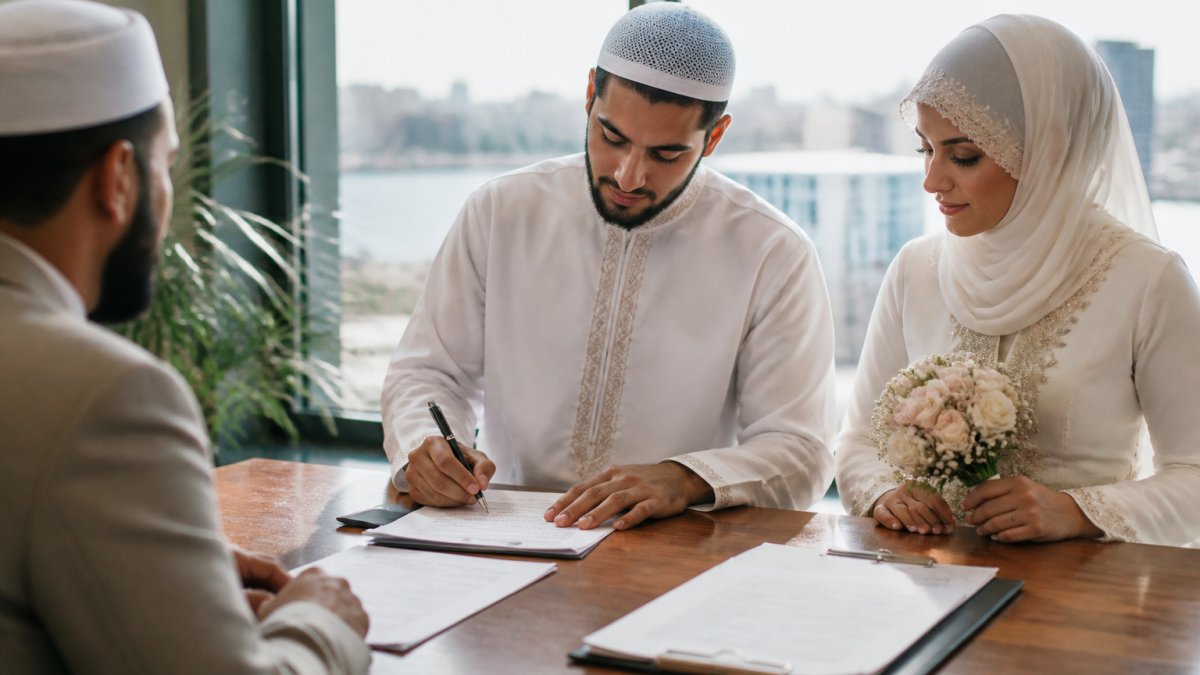
The Notice of Intended Marriage form is the formal document that starts the legal process. It must be completed, signed, and lodged with your celebrant no earlier than 18 months before the wedding and no later than one month before it.
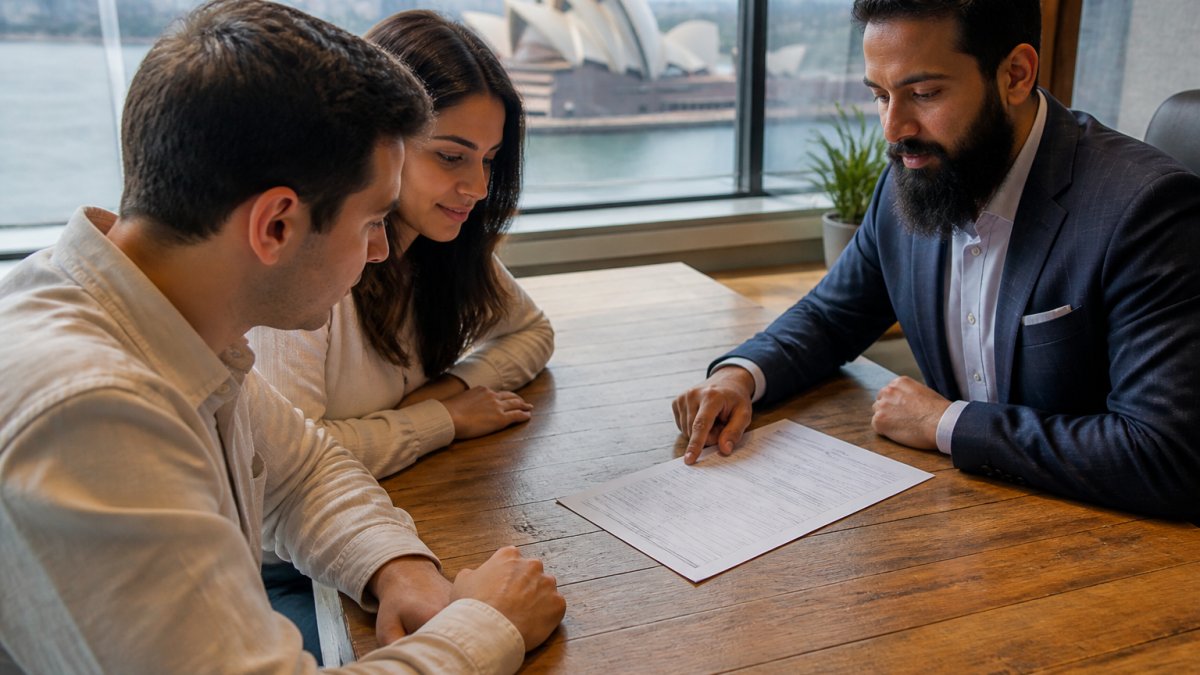
This is where paperwork trips people up. A common mistake is signing the form too early or lodging it with a celebrant who is not authorised to receive it. The form must be witnessed by an authorised person, and your celebrant will explain exactly who qualifies.
You will need to provide original identity documents, typically a birth certificate or passport, plus photo identification. If either party has been married before, evidence of how that marriage ended, such as a divorce certificate or a death certificate, is required. Documents in another language usually need a certified translation.
Australian Marriage Celebrant Requirements
A registered marriage celebrant is the person legally authorised to solemnise your wedding and lodge the necessary paperwork. Not every celebrant you meet online holds current registration, so verification matters.
Australia maintains an official register of marriage celebrants, and you can check any celebrant's name against it before booking. Registration requires the celebrant to meet training, character, and ongoing professional development obligations set by the Attorney-General's Department. A celebrant who cannot show current registration is not permitted to conduct a legal marriage.
This is where the choice of celebrant shapes more than the ceremony. The celebrant is responsible for confirming your identity, witnessing signatures, ensuring the legal wording is spoken, and lodging your documents after the wedding. A celebrant who understands both the legal framework and your cultural or faith traditions can integrate the two without compromising either.
At Ceremonies With Faisal, Faisal Akhtar holds registration as a marriage celebrant while also serving as an experienced Sheikh. That combination allows a Nikah ceremony to carry full legal weight while remaining spiritually authentic, and lets interfaith or civil ceremonies feel personal rather than procedural.
Marriage Certificate Australia: How to Obtain Yours
A marriage certificate is the official record of your marriage, distinct from the commemorative certificate your celebrant hands you on the day. The commemorative certificate is a keepsake; the official certificate is the legal document you will need for name changes, visa applications, and official records.
Here is how the process typically works:
- Your celebrant lodges the completed marriage documents with the state or territory births, deaths and marriages registry after the ceremony
- The registry processes the registration, which can take some weeks
- You then apply to the registry for an official standard marriage certificate, usually for a fee
- Some couples order a certificate at the time of registration to save a step
Keep your commemorative certificate safe, but do not rely on it as proof of marriage for government or financial purposes. The official certificate is what institutions accept.
Religious Ceremonies and Legal Recognition
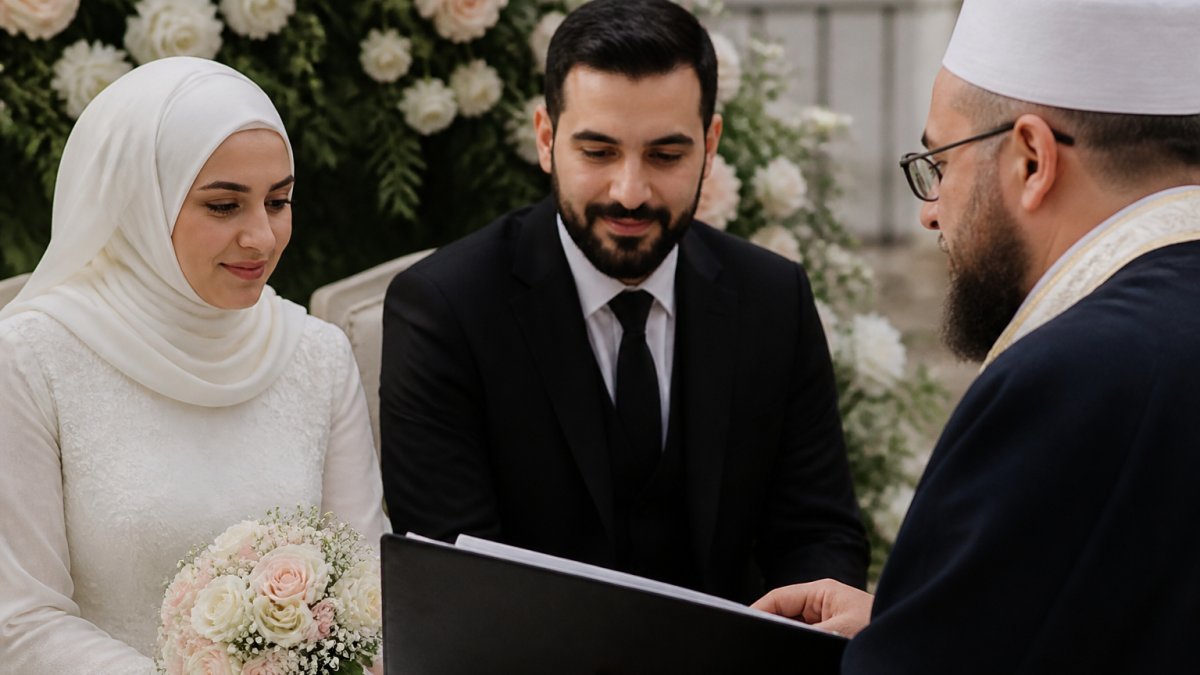
Religious ceremonies can be legally recognised, provided the person officiating is properly authorised and the legal requirements are met. A religious wedding and a legal marriage are not separate events when conducted correctly; they are one ceremony that satisfies both.
For couples planning a Nikah, this distinction matters enormously. An Islamic ceremony conducted without an authorised celebrant may fulfil religious obligations but will not create a legally recognised marriage. The reverse is also true: a civil ceremony alone may not meet the couple's spiritual expectations.
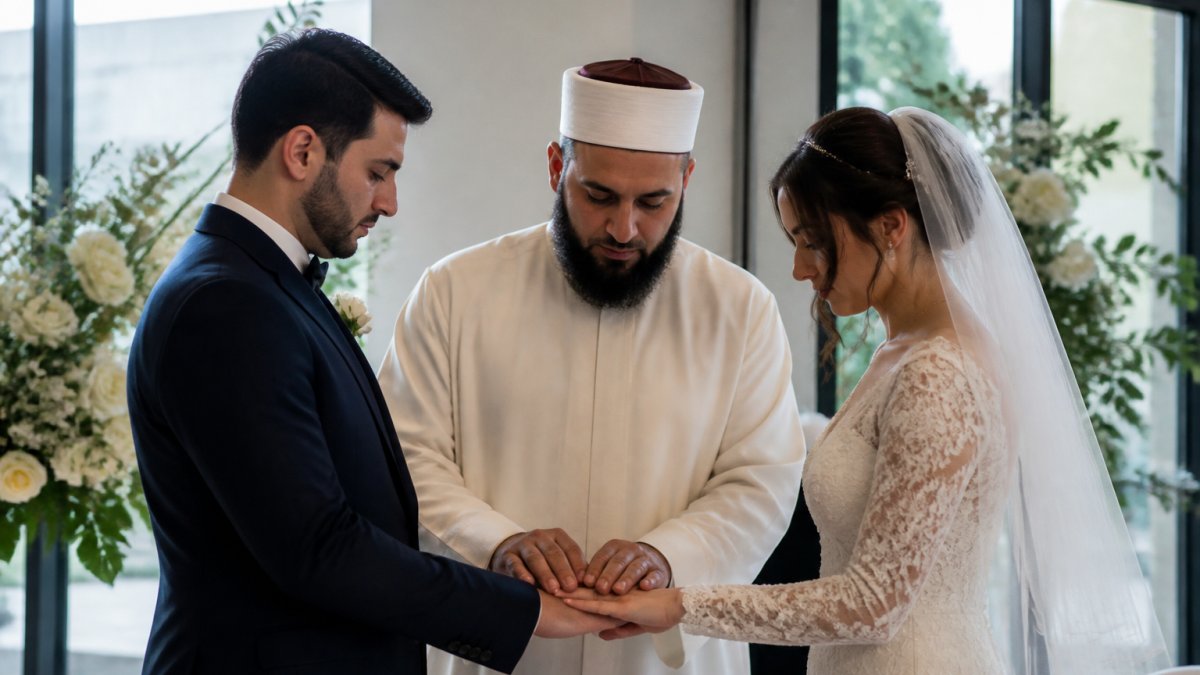
The solution is a unified ceremony. When a registered celebrant who also understands Islamic tradition conducts the Nikah, the religious and legal elements are woven together in a single service. Interfaith couples can take a similar approach, blending traditions into one ceremony that honours both families while remaining fully compliant.
A common mistake is assuming a mosque or community elder can automatically register the marriage. Authorisation is personal and specific. Always confirm that whoever officiates holds the legal authority to do so.
Recent and Upcoming Changes to Australian Marriage Law
Australian marriage law continues to evolve, and couples should confirm current requirements rather than relying on advice from a previous decade. The most significant change in recent years was the legalisation of same-sex marriage, which reshaped who may marry and how ceremonies are conducted.
For 2026, the practical priorities remain stable: valid notice, authorised celebrant, correct documentation, and proper registration. The Attorney-General's Department guidance on marriage is the authoritative source for any updates to celebrant obligations, notice periods, and documentation requirements. Checking it before finalising plans takes minutes and prevents assumptions.
If you are unsure whether a recent change affects your situation, ask your celebrant directly. A registered celebrant is required to stay current with legislative updates, and a good one will explain exactly what applies to your ceremony.
Conclusion
The legal side of a wedding is not the romantic part, but getting it right is what makes the ceremony real in the eyes of the law. Couples who leave paperwork to the last month often face stress that could have been avoided with earlier planning.
If you want a ceremony that is both legally sound and spiritually meaningful, Ceremonies With Faisal offers the combination many couples struggle to find. Faisal Akhtar brings together registered celebrant status, deep knowledge of Islamic tradition, and a personalised approach that reflects your story, whether you are planning a Nikah, an interfaith celebration, or a civil ceremony with spiritual warmth. Get started with Ceremonies With Faisal and walk into your wedding day confident that every legal and cultural detail is handled with care.
Frequently Asked Questions
What are the legal requirements to get married in Australia in 2026?
To marry in Australia, you must be at least 18, not already married, and provide a Notice of Intended Marriage at least one month before the ceremony. You also need identity documents and a celebrant authorised under Australian law. The marriage must be solemnised by a registered celebrant or religious minister. These requirements are set by the Marriage Act 1961 and apply nationwide, including to visitors who marry while in the country.
How much notice do you need to give before getting married?
You must give the Notice of Intended Marriage to your celebrant at least one month (30 days) before the wedding. This cooling-off period is a legal requirement. If you need to marry sooner, you can apply to a prescribed authority for a short-notice authorisation, but this is only granted in exceptional circumstances. Your celebrant can guide you through the timing and help you lodge the form correctly.
Who can legally solemnise a marriage?
Only a celebrant registered with the Attorney-General's Department, a state or territory registry official, or a minister of religion recognised under Australian law can legally solemnise a marriage. Australian marriage celebrant requirements include accreditation, ongoing professional development, and compliance with the Code of Practice. Choosing a registered celebrant ensures your ceremony is legally valid, and they can also help with paperwork and legal declarations.
What is the difference between a religious ceremony and a legally recognised marriage?
A religious ceremony, such as a Nikah, may fulfil spiritual and cultural requirements but does not automatically create a legally recognised marriage in Australia. To be legally married, you must also complete the civil requirements: lodge a Notice of Intended Marriage, have an authorised celebrant solemnise the marriage, and obtain a marriage certificate. Many celebrants, including those experienced in both Islamic and civil ceremonies, can integrate both into one event so your marriage is valid under Australian law and your faith.
How do you get a marriage certificate after the ceremony?
After the ceremony, your celebrant will lodge the marriage documents with the state or territory births, deaths and marriages office. You will receive a commemorative certificate from your celebrant, but for official purposes you need the standard marriage certificate issued by the registry. You can apply for it online, by post, or in person, and fees vary by state. The standard certificate is often required for name changes, visa applications, and other legal matters.
Can visitors to Australia legally get married there?
Yes, visitors can legally marry in Australia, provided they meet the same requirements as residents: both parties must be at least 18, not already married, and must lodge a Notice of Intended Marriage at least one month before the ceremony. You will need to provide identity documents, such as passports, and may need to provide a certificate of no impediment from your home country. A registered celebrant can advise on the specific documents required for overseas visitors.