 ultimate-guide
What Should a 2026 Wedding Ceremony Checklist Include?
Last Updated: October 24, 2026
Quick Summary
A 2026 wedding ceremony checklist should sequence legal, ceremonial and logistical tasks across twelve months, starting with budget and venue shortlisting at 12 months out and lodging the Notice of Intended Marriage at least one month before the ceremony. Build your wedding ceremony timeline backwards from the start time and confirm a wet-weather plan early.
- Book the ceremony venue and celebrant 12 months out for spring and autumn Saturdays.
- Lodge the NOIM at least 8 weeks out to clear the one-month wait with a buffer.
- Keep the ceremony to 25 to 35 minutes unless cultural elements extend it.
- Set a weather call time two hours before the start and name one decision-maker.
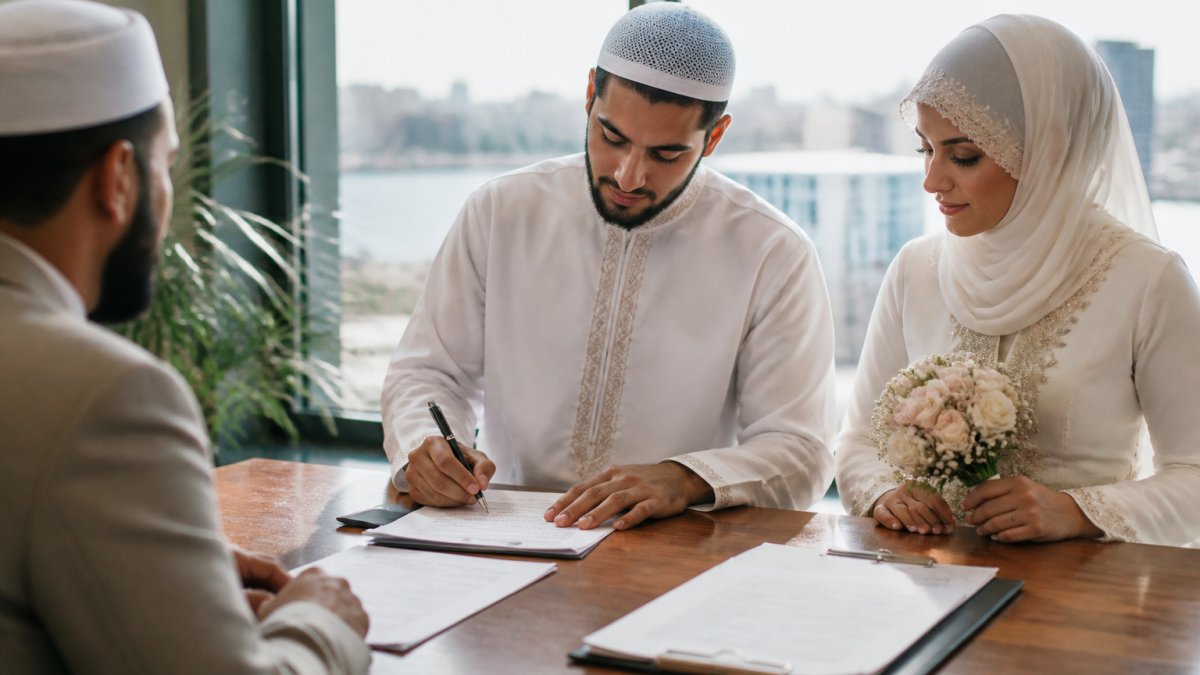
- Give the certificate signing ten minutes, with witnesses, a table and a working pen.
Table of Contents
- Your Wedding Ceremony Planning Checklist for 2026
- Building a Wedding Ceremony Timeline That Works
- Legal Paperwork and the Notice of Intended Marriage
- Questions to Ask a Wedding Celebrant Before You Book
- Shaping the Wedding Ceremony Script
- The Wedding Ceremony Run Sheet: Minute by Minute
- Contingency Planning for Weather and Disruptions
- Booking Your Celebrant Consultation
- Frequently Asked Questions
Your Wedding Ceremony Planning Checklist for 2026
Most online checklists are reception checklists wearing a ceremony label, they obsess over centrepieces and forget the Notice of Intended Marriage.
That single omission is where couples come unstuck. The legal clock is not negotiable, and no amount of beautiful styling rescues a ceremony that cannot legally proceed.
Below, we break the year into phases, flag the tasks with real deadlines, and show you how to sequence the ceremony itself, so you finish with a checklist you can print, annotate and hand to your celebrant.
Here is the phase map we use with couples:
| Phase | Timing | Core tasks |
|---|---|---|
| Foundation | 12-10 months out | Budget, guest list, style, venue shortlist |
| Booking | 10-8 months out | Ceremony venue, celebrant, photographer |
| Legal | 8-1 months out | Notice of Intended Marriage, documents |
| Design | 6-3 months out | Script, vows, readings, music, run sheet |
| Confirm | 3-1 months out | Final headcount, vendor arrival times, rehearsal |
| Week of | 7 days out | Pack list, contingency call, early arrival |
Building a Wedding Ceremony Timeline That Works
Your wedding ceremony timeline should be built backwards from the start time, not forwards from the morning.
The most common mistake is treating the ceremony as a single block. It is a sequence of small handovers, each needing a named person responsible for it.
A workable twelve-month timeline looks like this:
- 12 months: set the budget and draft the guest list
- 10 months: shortlist ceremony venues and confirm the date
- 9 months: book your celebrant and lock in the legal date
Notice the legal work sits early, not late. Couples who leave paperwork to the final month make panicked phone calls.
Seasonal lead times for 2026
A generic twelve-month list ignores that demand is not flat across the year. The 2026 rule: add lead time wherever your date falls in a peak window.
- Spring and autumn Saturdays are the most contested dates. Book the ceremony venue and celebrant 12 months out, not 9.
- Summer ceremonies carry heat risk. Lock a shade or indoor backup plan at the 6-month mark, not the week before.
- Winter ceremonies need a wet-weather alternative confirmed early, because indoor spaces book out first.
Ceremony-specific sequencing
General wedding timelines stop at "confirm ceremony details." A ceremony timeline has to go further and sequence the ceremony itself:
- Processional order decided and written down, with names against each position.
- Readings and music cues mapped to exact moments, not just chosen.
- Legal signing slotted with witnesses named and a table and pen confirmed.
- Recessional and group photo order agreed with the photographer so guests are not left standing.
- Rehearsal scheduled for the day before, with everyone who has a walk-on part present.
The 2026 planning assumptions
Two things are shaping ceremony timelines this year. Guest travel buffers: more couples build a fifteen-minute buffer into arrival times because traffic and public transport delays are the most common cause of a late start. Vendor availability: popular celebrants and photographers book further ahead than the generic twelve-month list assumes, so treat 9 months as the latest you should be confirming, not the earliest.
Legal Paperwork and the Notice of Intended Marriage
The Notice of Intended Marriage (NOIM) is the form you lodge with your celebrant to declare your intention to marry, and under Australian law it must be given to your celebrant at least one month before the ceremony.
What most checklists do not tell you is that the one-month rule is a floor, not a target. Lodge early and you buy room to fix a defect without moving the date.
What you need in hand
- Proof of date and place of birth for both parties (birth certificate or passport)
- Photo identification for both parties
- Evidence of any previous marriage ending, if applicable (divorce certificate or death certificate)
Bring originals, not phone photos. A NOIM signed without valid photo identification in front of the celebrant is a defect that can delay the ceremony.
The deadline mechanics nobody spells out
Work backwards from your ceremony date and set three internal deadlines:
- Documents gathered: at least 10 weeks out, so there is time to order a replacement birth certificate or divorce decree if something is missing.
- NOIM signed and lodged: at least 8 weeks out. This clears the one-month statutory wait with a fortnight of buffer.
- Final document check: 2 weeks out, confirming the celebrant has everything on file and the signing table, witnesses and pens are accounted for.
If your ceremony involves a Nikah, the religious contract and the civil paperwork are two separate instruments, and both need attention. A celebrant who is also a Sheikh can sequence them so the legal signing and the religious contract do not collide on the day.
Jurisdiction-specific considerations
Marriage law is federal, so the NOIM, the one-month wait and the signing requirements apply nationwide. What changes by location is the practical layer: venue access and noise restrictions, council requirements for outdoor ceremonies on public land, and the paperwork your venue may ask to see.
For the full statutory requirements, read our guide to Understanding Australian Marriage Law 2026: A Complete Guide before you sign anything.
Questions to Ask a Wedding Celebrant Before You Book
Ask any celebrant five things: how they handle the NOIM and lodgement, how they build a personalised script, how they manage interfaith or cultural elements, what happens if it rains, and what their fee covers. The answers separate a celebrant who processes paperwork from one who authors a ceremony.
The questions worth asking, in the order that matters:
- Are you a registered marriage celebrant, and who lodges the NOIM?
- How many planning meetings do we get before the day?
- Can you hold both an Islamic Nikah and the legal civil requirements in one ceremony?
- How do you handle a mixed-faith family and sensitive wording?
- What is your wet-weather plan, and who calls it?
- What is included in your fee, and what sits outside it?
On cost, we will be straight with you: pricing depends on ceremony type, date and customisation, so ask for a written quote rather than assuming a figure. Anyone quoting a flat number without asking about your ceremony is guessing.
Our own Frequently Asked Questions page answers the common ceremony and legal queries couples raise before booking.
Shaping the Wedding Ceremony Script
A wedding ceremony script is the written order of the ceremony: welcome, legal wording, vows, ring exchange, cultural or religious elements, and closing.

Structure it in this order:
- Welcome and acknowledgement
- Entrance and processional
- Opening words and the story of the couple
- Legal monitum and vows
Two decisions shape everything else: which legal wording your celebrant must include, and how much of your own story you want told aloud. Keep the ceremony to 25 to 35 minutes unless cultural elements extend it.
If you want a head start on wording, our Customizable Wedding Ceremony Script Ideas: 7 Templates gives you draft structures to adapt.
The Wedding Ceremony Run Sheet: Minute by Minute
A wedding ceremony run sheet is the minute-by-minute document telling every participant, celebrant, photographer, the aunty doing a reading, where to be and when. The script holds the words; the run sheet holds the timing.
A realistic run sheet for a 3pm ceremony:
| Time | Action | Responsible |
|---|---|---|
| 1:30pm | Venue access, load-in, sound check | Celebrant, AV |
| 2:15pm | Celebrant arrives, final walkthrough | Celebrant |
| 2:30pm | Couple separated, guests begin seating | Coordinator |
| 2:50pm | Guests seated, music cue ready | Coordinator |
| 3:00pm | Processional begins | All |
| 3:05pm | Welcome and opening words | Celebrant |
| 3:20pm | Vows and ring exchange | Couple |
| 3:35pm | Signing of certificates | Couple, witnesses |
| 3:45pm | Recessional and group photos | Photographer |
The signing is the step couples forget to time. It needs witnesses present, a table, and a pen that works. Give it ten minutes, not two.
Contingency Planning for Weather and Disruptions
Contingency planning means deciding, in advance, who has authority to move the ceremony and what triggers that decision. For an outdoor ceremony, set a call time, usually two hours before the start, and name one person who makes the call.
Build these into your plan:
- A wet-weather alternative with the same seating capacity
- A heat plan: shade, water, and a shorter ceremony if temperatures spike
- A power backup for music and microphones
- A printed copy of the script and run sheet, in case a device fails
Accessibility belongs here too: step-free access, seating for guests who cannot stand, and a microphone for anyone with hearing difficulty are planning decisions, not afterthoughts.
Booking Your Celebrant Consultation
Our approach at Ceremonies With Faisal is straightforward: Faisal Akhtar is a registered marriage celebrant and an experienced Sheikh, which means a Nikah and the Australian legal requirements can be handled in one unified ceremony.
To understand celebrant costs and the booking process, read Book a Marriage Celebrant Sydney: 2026 Cost & Legal Guide. When you are ready to see how we work, explore our Wedding Celebrant Services Sydney and get in touch.
Frequently Asked Questions
What should be included in a wedding ceremony planning checklist?
Start with the legal essentials: the Notice of Intended Marriage, identification documents and witness arrangements. Then add the ceremony timeline, venue booking, celebrant booking, script drafts, run sheet and rehearsal. A complete wedding ceremony checklist also covers readings, music, processional order and a wet-weather plan. Build it around the 12-month timeline so nothing is left to the final weeks.
How far in advance should you plan a wedding ceremony?
Aim for a 12-month timeline where possible. The legal side sets the outer limit: the Notice of Intended Marriage must be lodged with your celebrant at least one month before the ceremony, and some celebrants book out peak dates well ahead. Venue, celebrant and photographer are the first three bookings. Leave the final four to six weeks for RSVPs, final headcount, seating and confirming vendor arrival times.
What documents do you need to get married in Australia?
You need a completed Notice of Intended Marriage lodged with your celebrant at least one month before the ceremony, plus original identification such as a birth certificate or passport and photo ID. If you have been married before, bring divorce or death certificates. Your celebrant explains the exact documents and witnesses required, so confirm the list with them early rather than assuming.
How long should a wedding ceremony last?
Most ceremonies run 20 to 40 minutes, depending on readings, cultural or religious elements and music. A Nikah with additional prayers or a bilingual section can run longer. Build the length into your wedding ceremony timeline and run sheet so the reception, caterer and photographer stay on schedule. Discuss the target length with your celebrant when you draft the script.
What happens at a wedding ceremony rehearsal?
A rehearsal walks the wedding party through the processional order, standing positions, readings, ring exchange and recessional. It is also when you test the sound system and confirm arrival times. Many couples hold it one to three days before the wedding. Bring the run sheet and the final script so everyone knows their cues, and ask your celebrant to run it if they offer that.
How do you personalise a wedding ceremony?
Personalisation comes from the script, not the decorations. Share your story, values and any cultural or faith elements you want included, and ask your celebrant to write or adapt the wording around them. Readings, music, vows and symbolic rituals all carry personal meaning. For interfaith or Nikah ceremonies, a celebrant who understands both traditions can weave them together without losing legal validity.