 listicle
Book a Marriage Celebrant Sydney: 2026 Cost & Legal Guide
Table of Contents
- Quick Comparison: Marriage Celebrant Options in Sydney
- Marriage Celebrant Cost Sydney: What You're Actually Paying For
- Legal Requirements for Marriage in Australia: The NOIM and Beyond
- How to Choose a Wedding Celebrant: A Decision Framework
- Ceremony Types: Legals-Only, Registry-Style, Elopement and Full Ceremonies
- Cultural and Multi-Faith Expertise: Nikah, Interfaith and Civil Ceremonies
- Booking Lead Times and Post-Ceremony Admin Support
- Conclusion: Securing the Right Celebrant for Your Day
- Frequently Asked Questions
Last Updated: September 22, 2026
Quick Comparison: Marriage Celebrant Options in Sydney
Booking a marriage celebrant Sydney couples trust starts with one question: do you need a legal-only service or a full ceremony? Most couples need both, and the difference in what you pay comes down to how much personalisation and support you want. This guide from Ceremonies With Faisal breaks down the real costs, the legal steps, and how to choose well.

Here's how the main options compare:
| Option | What You Get | Best For | Pricing Model |
|---|---|---|---|
| Legals-only | Short ceremony, paperwork, registration | Couples marrying quietly or already planning a larger event | Fixed fee, contact for quote |
| Registry-style | Simple civil ceremony, minimal script | Couples wanting a no-fuss legal marriage | Fixed fee, contact for quote |
| Full-service | Personalised script, rehearsals, coordination | Couples wanting a meaningful, tailored ceremony | Per service, contact for quote |
| Nikah or interfaith | Faith-integrated legal ceremony | Muslim and interfaith couples | Per service, contact for quote |
Marriage Celebrant Cost Sydney: What You're Actually Paying For
Most celebrant fees cover three things: the legal work, the ceremony itself, and the time spent getting to know you. When you compare quotes, check whether the fee includes a rehearsal, travel, and the official certificate lodgement.
Legals-only vs Full-Service Pricing
A legals-only ceremony strips the service back to the legal minimum: identity checks, the required wording, and registration. Full-service pricing adds script writing, a planning meeting or two, vow guidance, and often a rehearsal.
Legal Requirements for Marriage in Australia: The NOIM and Beyond
Every legal marriage in Australia follows the same process under the Marriage Act 1961. The key document is the Notice of Intended Marriage (NOIM), which you must lodge with your celebrant at least one month before the ceremony.
Step-by-Step Legal Timeline
- At least one month before: Lodge your NOIM with your chosen celebrant. The one-month cooling-off period starts when the celebrant receives it.
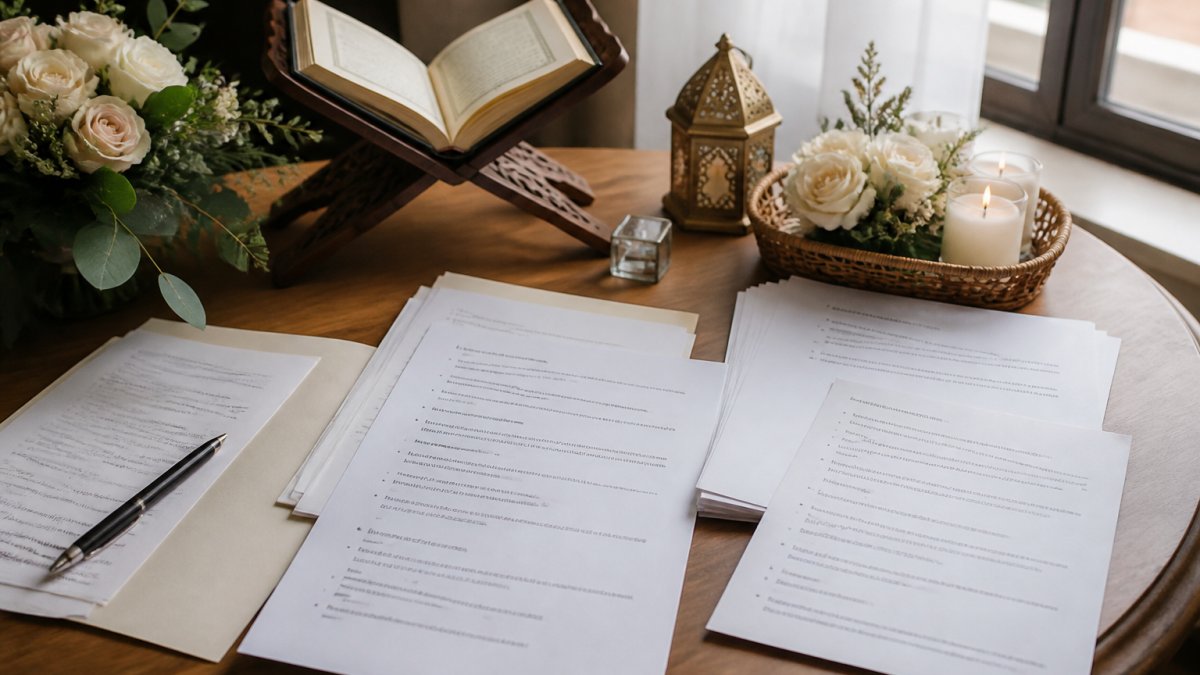
- Before the ceremony: Provide proof of identity and date of birth, plus evidence of any previous marriage ending.
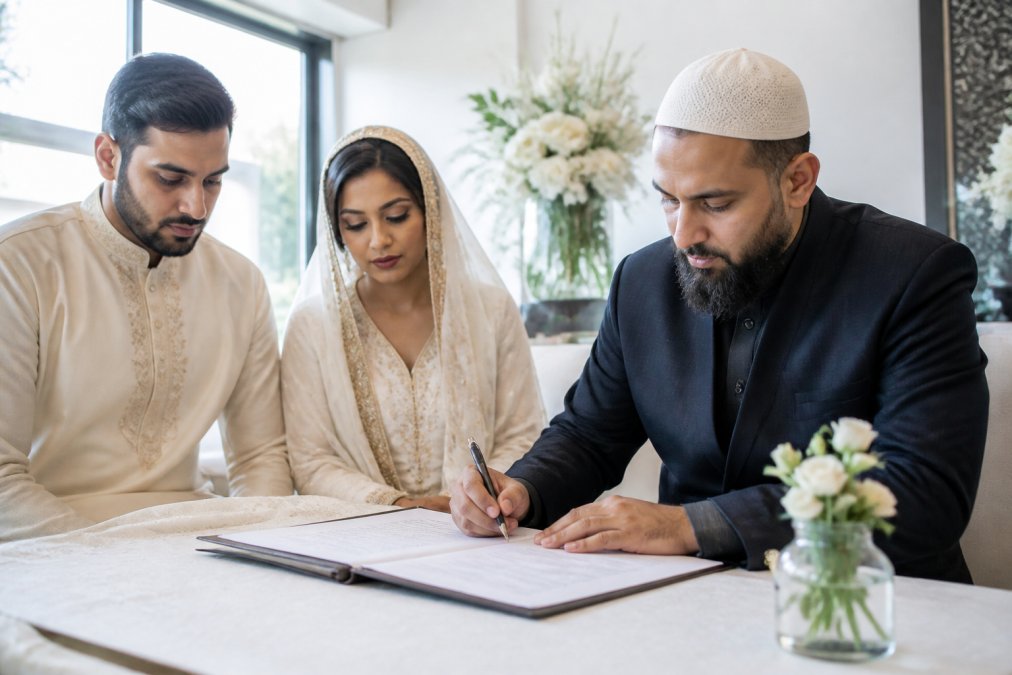
- On the day: You, your partner, and two witnesses aged 18 or over sign the official certificates.
- After the ceremony: Your celebrant lodges the marriage with Births Deaths and Marriages, usually through the eRegistry portal.
- After lodgement: You can apply for an official marriage certificate from Births Deaths and Marriages.
The Attorney-General's Department guidance on marriage sets out these requirements in full, and the NSW Registry of Births Deaths and Marriages handles certification. If you have been married before, you will need your divorce or death certificate before the NOIM can be accepted.
How to Choose a Wedding Celebrant: A Decision Framework
The right celebrant is the one who understands both the legal side and the personal side of your ceremony. Use this framework to narrow your shortlist:
- Check registration. Every legal celebrant must be registered with the Attorney-General's Department. Verify before you book.
- Match ceremony type. If you want a Nikah or interfaith ceremony, confirm the celebrant handles both the faith and legal elements.
- Ask about admin support. A good celebrant manages the NOIM, lodgement, and certificate paperwork for you.
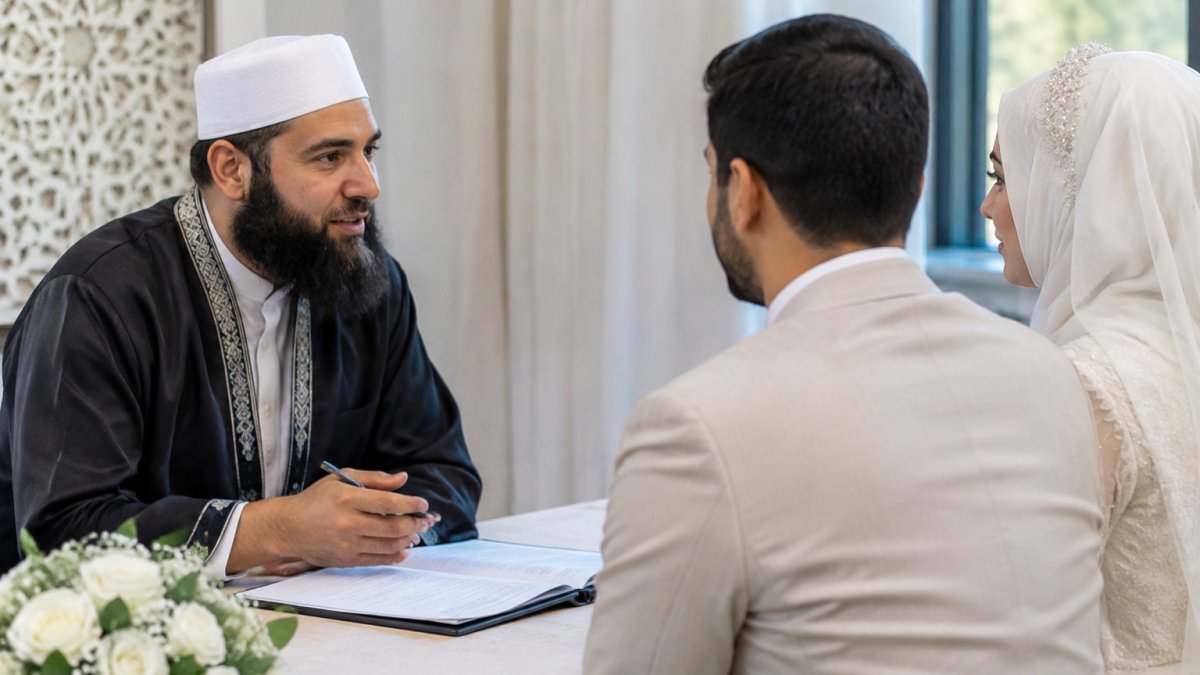
- Assess personal fit. You will spend real time with this person. Choose someone you actually connect with.
Questions to Ask Before You Book
- Are you a registered marriage celebrant?
- What exactly does your fee include, and what costs extra?
- How many meetings do we get before the day?
- Do you handle NOIM lodgement and registration?
- Can you write a ceremony that blends faith and civil elements?
- What happens if we need to change the date?
Ceremony Types: Legals-Only, Registry-Style, Elopement and Full Ceremonies
Ceremony style drives both your cost and your planning timeline, but the labels are used loosely across the industry. What matters is what each tier actually includes, how long it runs, and how much of the legal administration sits with your celebrant. Use the breakdown below to match a tier to your situation rather than to a marketing label.
Legals-only
A legals-only ceremony strips the service back to the legal minimum required under the Marriage Act 1961: identity checks, the required monitum and vows, the signing of three certificates, and lodgement with Births Deaths and Marriages. It typically runs 15 to 30 minutes and can be held in a park, a home, or a celebrant's office. Personalisation is minimal, you may choose a reading or a short personal vow, but the script is largely fixed.
Registry-style
A registry-style ceremony follows a similar simple structure but is usually delivered in a more formal setting with a short, lightly personalised script. It runs 20 to 40 minutes. The key difference from legals-only is presentation rather than legal content, you get a slightly warmer ceremony and often a small guest list, but the script remains close to a standard template.
Elopement
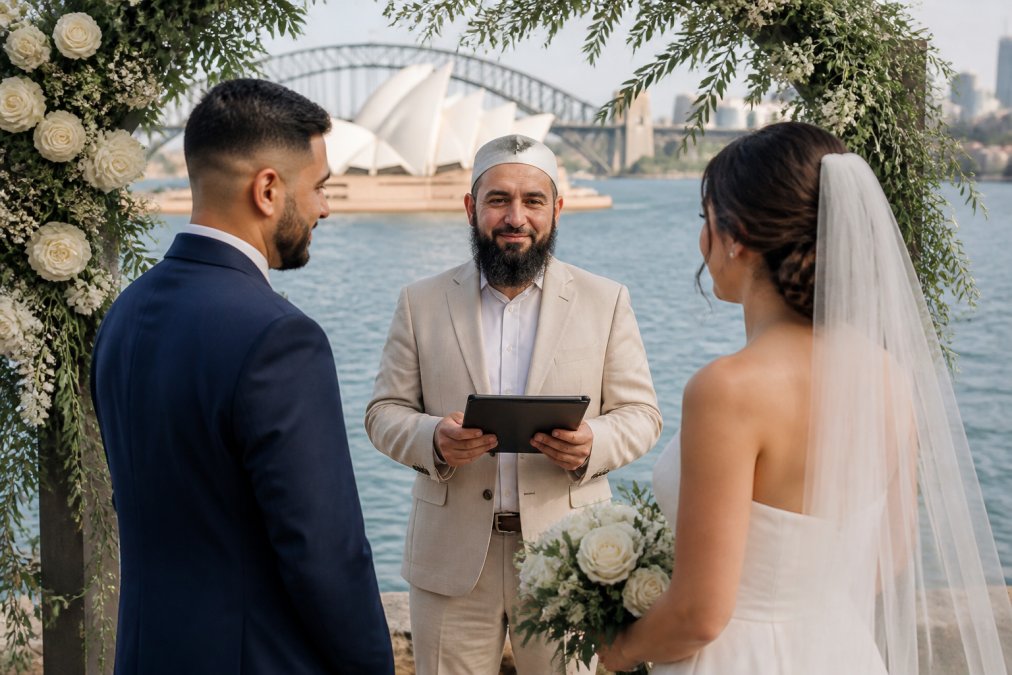
Elopements sit in the middle: intimate, often outdoors, with room for personal vows and a small number of guests. They run 30 to 60 minutes and usually include one planning meeting, vow guidance, and a location scouting conversation. The legal work is identical to any other tier, the NOIM, witnesses, and lodgement requirements do not change, so the difference is entirely in the ceremony experience.
Full ceremony
| Ceremony Type | Typical Length | Personalisation | Planning Meetings | Rehearsal | Admin Included |
|---|---|---|---|---|---|
| Legals-only | 15-30 minutes | Minimal | Usually none | No | Yes |
| Registry-style | 20-40 minutes | Light | Optional | No | Yes |
| Elopement | 30-60 minutes | Moderate | One | Optional | Yes |
| Full ceremony | 45-90 minutes | High | Two or more | Yes | Yes |
A common pattern is for couples to book a legals-only ceremony to secure the legal marriage date, then hold a larger cultural or religious celebration later. If you are considering this, confirm with your celebrant how the two events will be sequenced and whether the later celebration needs any separate documentation.
Cultural and Multi-Faith Expertise: Nikah, Interfaith and Civil Ceremonies
A celebrant who understands your faith and the law saves you from running two separate ceremonies. For Muslim couples, a Nikah can be performed as a legally binding ceremony when the celebrant is also a registered marriage celebrant.
Booking Lead Times and Post-Ceremony Admin Support
Popular celebrants book out months ahead, especially for spring and autumn weekends. Start your search at least six to twelve months before your date if you want a specific celebrant, and earlier if you are marrying in peak season. But booking the celebrant is only one thread, the legal paperwork runs on its own timeline, and most guides gloss over it. Here is the full sequence.
The 12-month legal and booking checklist
12 months out
- Shortlist and interview celebrants. Confirm registration with the Attorney-General's Department before you commit.
- Lock in your date and pay any holding deposit.
- If you have been married before, locate your divorce decree absolute or your former spouse's death certificate. You will need the original or a certified copy before the NOIM can be accepted.
6 to 9 months out
- Confirm your ceremony tier (legals-only, registry-style, elopement, or full) so your celebrant can plan the script and meetings.
- Begin drafting vows if your tier includes personal vows.
- Book your two witnesses. They must be aged 18 or over and present at the ceremony.
3 to 6 months out
- Gather proof of identity and date of birth for both parties: a passport or birth certificate, plus photo ID.
- If either party was born overseas, confirm which documents your celebrant will accept as evidence of birth.
- Finalise the ceremony location and any permits required for a public space.
At least one month out
- Lodge the Notice of Intended Marriage (NOIM) with your celebrant. The one-month cooling-off period starts when the celebrant receives it, not when you sign it. No celebrant can waive this minimum.
On the day
- You, your partner, and your two witnesses sign the official certificates.
- Your celebrant completes the required monitum and vows.
After the ceremony
- Your celebrant lodges the marriage with Births Deaths and Marriages, usually through the eRegistry portal.
- Once lodged, you can apply for an official marriage certificate.
Post-ceremony administrative support
Post-ceremony support matters more than most couples realise. Your celebrant lodges the marriage with Births Deaths and Marriages, which is what makes the marriage legally recorded. Ask whether they follow up if the lodgement is delayed, and whether they help you order the official certificate afterwards.
Conclusion: Securing the Right Celebrant for Your Day
The legal timeline does not move, and neither do the good celebrants' calendars. The couples who get the ceremony they want are the ones who book early, ask the right questions, and choose someone who handles both the faith and the law.
Frequently Asked Questions
How much does hiring a marriage celebrant cost in Sydney?
Pricing depends on the type of ceremony, location and level of personalisation you want. Legals-only ceremonies sit at the lower end, while full-service ceremonies with custom scripts and rehearsals cost more. Ceremonies With Faisal does not publish fixed rates because every ceremony is tailored, so contact the practice directly for a current quote based on your date and requirements.
How far in advance should you book a marriage celebrant?
You must lodge your Notice of Intended Marriage with a registered celebrant at least one month before the wedding, but popular celebrants book out 12 to 24 months ahead for peak dates. If you have a specific date in mind, especially in spring or autumn, start enquiries early. Booking a marriage celebrant Sydney-wide often means locking in your date before you finalise smaller details like flowers or catering.
What are the legal requirements for a marriage celebrant in Australia?
A celebrant must be registered under the Marriage Act 1961, lodge your NOIM at least one month before the ceremony, verify identity documents and witnesses, and register the marriage with the state registry after the ceremony. Both parties must be at least 18, not already married, and give free consent. The celebrant is responsible for ensuring the ceremony meets every legal requirement.
What is the difference between a civil celebrant and a religious celebrant?
A civil celebrant performs legally recognised ceremonies without religious content, while a religious celebrant conducts ceremonies within a specific faith tradition. Some celebrants, including those who are both a registered marriage celebrant and a Sheikh, can blend both: a Nikah that satisfies Islamic requirements and Australian law in one ceremony, which suits interfaith and culturally traditional couples.
Does the celebrant handle the Notice of Intended Marriage and other paperwork?
Yes. A registered celebrant is legally required to guide you through the NOIM, check your identity documents, witness signatures and lodge the paperwork with the relevant registry after the ceremony. With Ceremonies With Faisal, this admin support is part of the service, so you are not left to navigate the legal side alone. Ask upfront what is included before you book.