 how-to
Non-Religious Civil Marriage Ceremony: A Complete Guide
Table of Contents
- Legal Requirements for a Non-Religious Civil Marriage Ceremony
- Understanding the Role of an Authorized Celebrant
- Civil Wedding Ceremony Script Examples and Personalisation
- How Long Is a Civil Marriage Ceremony and What to Expect
- Choosing the Perfect Venue for Civil Ceremonies
- Step-by-Step Planning Checklist for Your Non-Religious Ceremony
- Documentation and Registration: What You Need to Know
- Frequently Asked Questions
Last Updated: September 26, 2026
Legal Requirements for a Non-Religious Civil Marriage Ceremony
A civil marriage ceremony in Australia is a legally binding union conducted by an authorized celebrant outside a religious context. It meets all statutory requirements under the Marriage Act 1961 (Cth) while allowing couples to personalize their vows and celebration.
To have a valid civil marriage, both parties must be at least 18 years old, not already married, and not within prohibited relationships (close blood relatives or certain in-laws).
Before the ceremony itself, you'll need to lodge a Notice of Intended Marriage with your chosen celebrant at least one month before the wedding date. This notice confirms your eligibility and allows time for any objections to be raised. The celebrant verifies your identity and checks the Marriage Act requirements.
At Ceremonies With Faisal, we guide couples through every legal step. Our role is to ensure your civil marriage ceremony is not only meaningful but also fully compliant with Australian law.
Understanding the Role of an Authorized Celebrant
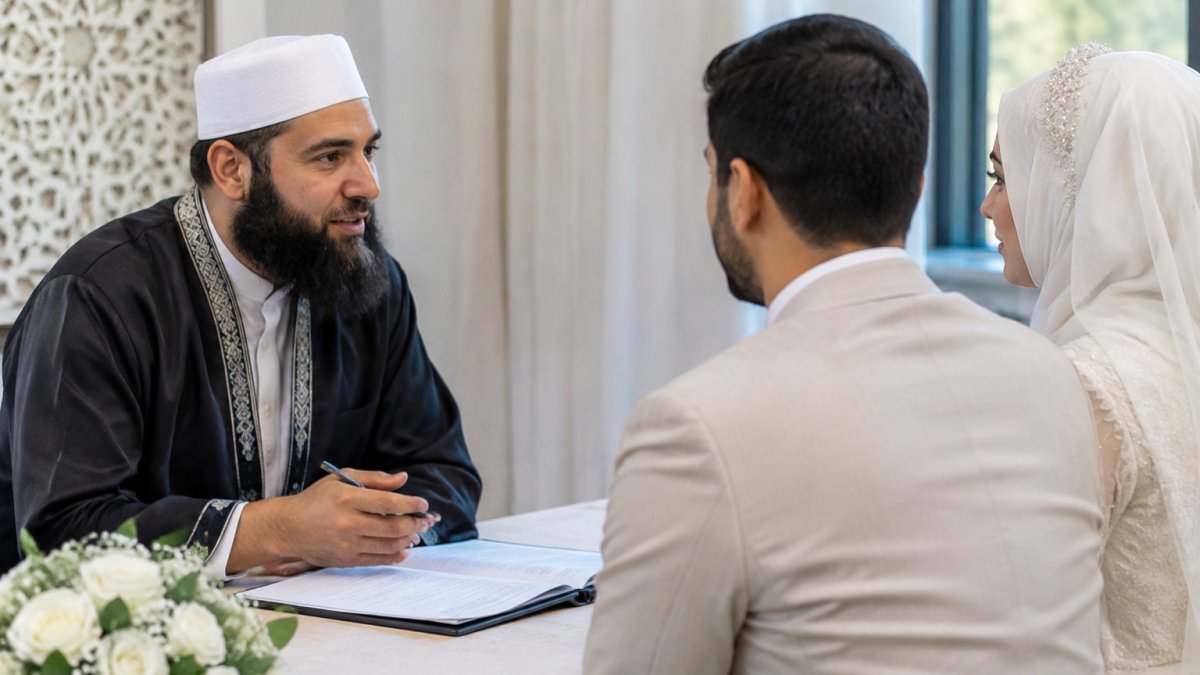
An authorized celebrant is a registered official trained in Australian marriage law who solemnizes marriages and understands both the legal formalities and emotional significance of the ceremony.
Your celebrant's responsibilities include:
- Verifying your identity and eligibility to marry
- Explaining the legal nature of marriage
- Conducting the ceremony according to the Marriage Act
- Signing the marriage certificate as a witness
- Lodging the certificate with the registry office
A good celebrant listens carefully during planning meetings, asking about your values and story to ensure the ceremony is legal, meaningful, and reflects who you are as a couple.
Unlike religious ministers, civil celebrants have flexibility to incorporate cultural elements, personal stories, secular readings, music, poetry, or rituals, as long as core legal elements remain intact.
Civil Wedding Ceremony Script Examples and Personalisation
A typical civil wedding ceremony script opens with the celebrant welcoming guests and explaining the significance of marriage, followed by the legal declaration of authorization under Australian law.
Here's what a basic structure looks like:
- Welcome and acknowledgment of guests
- Brief explanation of the ceremony's purpose
- Exchange of vows (written by you or chosen together)
- Exchange of rings or symbolic tokens
- Legal declaration of marriage
- Signing of the marriage certificate
- Pronouncement and first kiss
Writing Secular Vows: A Practical Framework
Secular vows focus on personal promises without religious language. Structure them around three elements: who your partner is to you, what you're committing to, and how you'll show up in the relationship.
Using Readings and Poetry
Secular readings add texture and meaning. Popular sources include poetry (Neruda, Mary Oliver, Sylvia Plath), literature excerpts, philosophical quotes, or personal writing from family and friends.
Practical Tips for Vow Delivery
Practice reading vows aloud to discover emotional moments and pacing. Use large, clear cards, memorize key phrases for eye contact, pause for emotion, speak slowly, and decide whether to practice with your partner beforehand.
Avoiding Common Vow Pitfalls
Avoid inside jokes only you understand, negative language ("not to" promises), comparing relationships, overly formal language, and vows longer than 2-3 minutes.
How Long Is a Civil Marriage Ceremony and What to Expect
A typical civil marriage ceremony lasts 20-40 minutes, with most couples aiming for 30 minutes.
The breakdown usually looks like this:
| Element | Duration |
|---|---|
| Welcome and opening remarks | 2-3 minutes |
| Vow exchange | 5-8 minutes |
| Readings (if included) | 3-5 minutes |
| Ring exchange | 2-3 minutes |
| Legal declaration and signing | 3-5 minutes |
| Recessional | 1-2 minutes |
Choosing the Perfect Venue for Civil Ceremonies
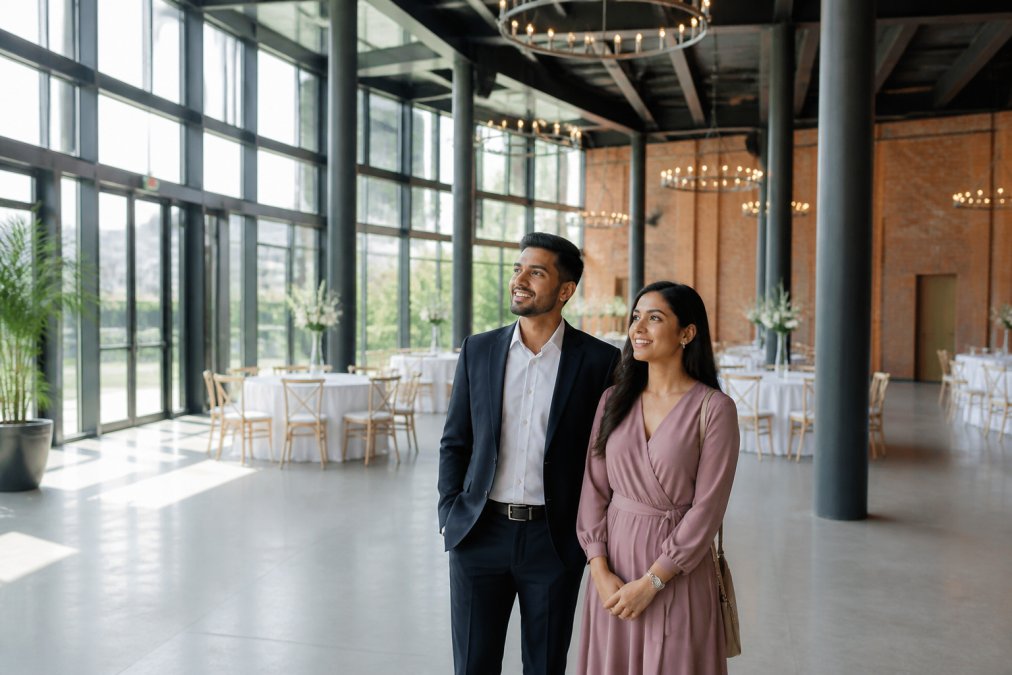
A civil ceremony can happen almost anywhere, a garden, gallery, heritage hall, beach, or backyard. Choose a space that reflects your values and works logistically.
Venue Types and Cost Ranges
Civil ceremonies offer flexibility in venue choice, which often translates to cost savings. Here's what different venue categories typically cost:
Budget-friendly options (under $500):
- Public parks or gardens (often free or minimal booking fee)
- Community halls or local council facilities
- Your own backyard or a family member's property
- Beach or riverside locations (check local council permits)
- Undecorated indoor spaces you decorate yourself
Mid-range venues ($500-$2,000):
- Heritage halls or local historical buildings
- Small boutique venues designed for ceremonies
- Restaurant or café private spaces (often waive fees if you book food)
- Art galleries or studios
- Vineyards or farm properties
Premium venues ($2,000+):
- Dedicated wedding venues with full facilities
- Luxury hotels or resorts
- High-end galleries, estates, or purpose-built ceremony spaces
- Beachfront or waterfront properties with exclusive access
Cost Comparison: Civil Ceremony Venue vs. Religious Venue
Civil ceremonies offer cost efficiency compared to religious venues, which often have mandatory fees, decoration restrictions, and limited timing flexibility.
Religious venue typical costs:
- Church or place of worship booking fee: $300-$1,500
- Mandatory clergy or organist fees: $200-$800
- Restrictions on music, decoration, and timing
- Limited ability to customize the space
Civil ceremony venue typical costs:
- Public space or community hall: $0-$500
- Boutique or heritage venue: $500-$2,000
- Full control over decoration, music, and timing
- Flexibility to add personal touches without permission
Practical Venue Selection Criteria
Consider light and atmosphere (visit at ceremony time), acoustics, weather backup, guest comfort, photography potential, parking and facilities, setup/breakdown time, and vendor restrictions.
Permits and Logistics
Talk to your celebrant about the venue before booking. For public spaces, check council permits, noise restrictions, parking permits, alcohol licensing, public liability insurance, and capacity limits early, at least 2-3 months before your ceremony.
Questions to Ask Before Booking
Ask venues about what's included in hire fees, guest capacity, catering/music policies, weather backup, setup time, restrictions, insurance requirements, cancellation policy, disabled access, and site visits. Clear answers upfront prevent surprises and help you budget.
Step-by-Step Planning Checklist for Your Non-Religious Ceremony
Planning a civil marriage ceremony involves legal steps and personal touches. Use this checklist to stay organized:
3-4 months before:
- Choose your celebrant
- Confirm your wedding date
- Book your venue
- Start thinking about your ceremony style and tone
2-3 months before:
- Meet with your celebrant to discuss vows, readings, and personal touches
- Decide on music (entrance, recessional, during ceremony)
- Plan any rituals or symbolic elements
- Arrange for witnesses (at least two adults required by law) (Marriage Act 1961)
1 month before:
- Lodge Notice of Intended Marriage with your celebrant
- Finalize your vows and readings
- Confirm all logistics with your venue
- Brief your celebrant on pronunciation of names, family dynamics, or sensitive topics
- Arrange rehearsal if desired
1-2 weeks before:
- Confirm final guest count with venue
- Do a final walkthrough of the venue
- Prepare any printed programs or ceremony sheets
- Confirm all vendors (photographer, musician, etc.)
Final week:
- Collect identity documents for the celebrant
- Prepare any readings or vow cards
- Brief your witnesses on their role
- Get a good night's sleep
Documentation and Registration: What You Need to Know
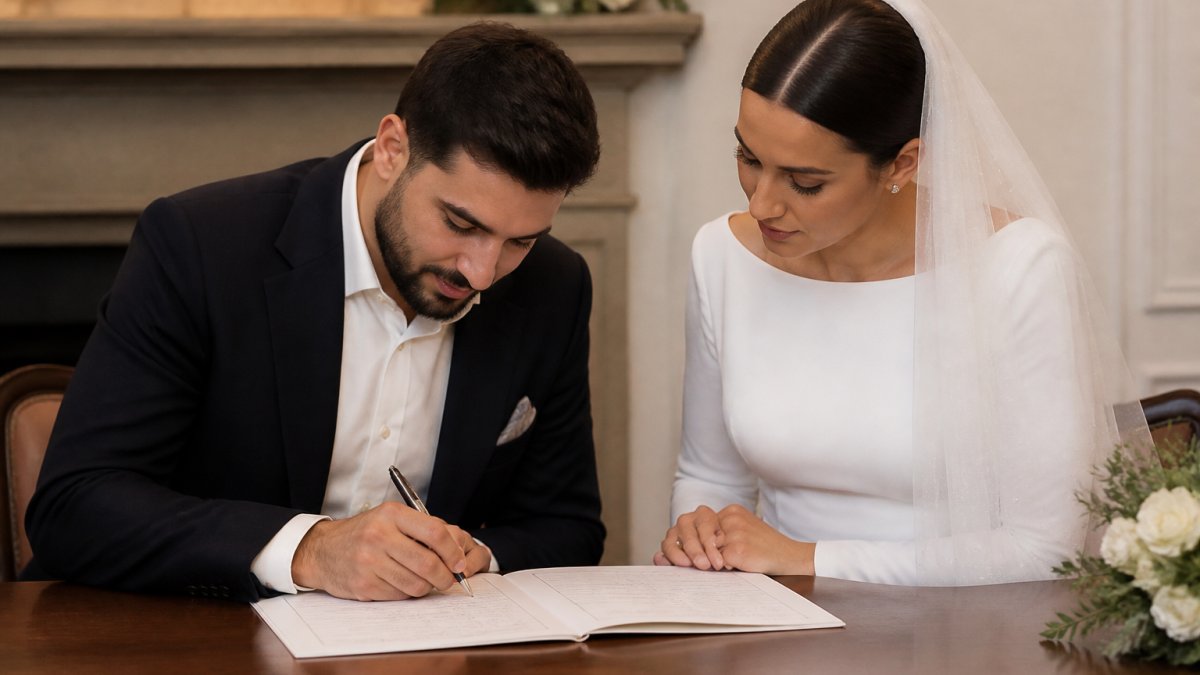
After your ceremony, the legal work continues. Your celebrant will have you and your two witnesses sign the marriage certificate immediately after the vows are exchanged. This is a legal requirement, the certificate must be signed while everyone is present.
The marriage certificate proves your marital status. You may need it for:
- Updating your passport or driver's license
- Changing your surname
- Adding a spouse to insurance or superannuation
- Legal or financial documentation
Frequently Asked Questions
Can you have a non-religious civil marriage ceremony that still feels meaningful?
Absolutely. A non-religious civil marriage ceremony can be deeply meaningful through personalised vows, readings that reflect your values, and a structure that honours your relationship. Many couples find that removing religious elements allows them to focus entirely on what matters to them as individuals. An experienced authorized celebrant can help you craft a ceremony that feels authentic, warm, and significant without any faith-based content.
What's the difference between a civil and secular wedding ceremony?
Civil and secular ceremonies are often used interchangeably, but civil refers to the legal framework, a ceremony conducted by an authorized celebrant that creates a legally binding marriage. Secular specifically means without religious content. A civil ceremony can be secular, but it can also include spiritual or philosophical elements that aren't tied to organised religion. The key distinction is that civil ceremonies must comply with Australian marriage law, while secular simply describes the absence of religious doctrine.
How long should a civil marriage ceremony take?
A typical civil marriage ceremony lasts between 20 and 40 minutes, depending on personalisation. A basic legals-only ceremony might take 15 minutes, while one that includes personal vows, readings, and ritual elements can extend to 45 minutes or more. Your authorized celebrant will discuss timing during planning to ensure the ceremony flows well and respects your guests' comfort without feeling rushed or unnecessarily prolonged.
What documents do I need before my civil marriage ceremony?
You'll need to lodge a Notice of Intended Marriage with your authorized celebrant at least one month before your ceremony. Both partners must provide proof of identity, age, and citizenship. You'll also need the names and contact details of two witnesses who'll sign the marriage register after the ceremony. Your authorized celebrant can guide you through the exact documentation required and help ensure everything is in order before your wedding date.