 how-to
How to Make a Civil Ceremony Personal
Last Updated: October 27, 2026
Quick Summary
A civil ceremony becomes personal when you write it from your own history instead of borrowing someone else's script. The legal side is fixed, but your welcome, readings, personal vows, music, symbolic rituals and family moments are all yours to shape.
- The legal frame is small: notice, monitum, vows and signatures, with everything else yours to shape.
- An order of service is the running sheet from guests arriving to the final signing.
- Civil wedding ceremony wording only becomes fixed at the monitum and the legal vows.
- Keep each personal vow short, as three to five promises is plenty.
- A reading can run 60 to 90 seconds, so give the reader a printed copy.
Table of Contents
- Start With Your Story, Not a Template
- Know What Is Legally Required and What Is Yours to Choose
- Build Your Civil Ceremony Order of Service
- Civil Wedding Ceremony Wording You Can Make Your Own
- Personal Wedding Vows Examples to Write From
- Civil Ceremony Readings, Poetry and Stories That Fit
- Music, Symbolic Rituals and Family Traditions
- Plan the Personal Details With Your Celebrant
- Frequently Asked Questions
Start With Your Story, Not a Template
A civil ceremony becomes personal the moment you stop borrowing someone else's script and start writing from your own history. The legal side of a civil ceremony is fixed. Everything else is yours.
So where do you begin? With three questions:
- How did you actually meet, and what did you notice first?
- What have you survived together that you're proud of?
- What do you want your guests to remember about the day?
Write your answers down separately, then compare. The overlaps become your ceremony's spine.
For a deeper look at how personal a non-religious ceremony can be, see our guide to the non-religious civil marriage ceremony.
Know What Is Legally Required and What Is Yours to Choose
A civil ceremony is a legal marriage conducted by an authorised celebrant, with no religious content required. It must follow the legal framework set out in the Marriage Act 1961 and the Attorney-General's Department guidance on marriage.
Here is the split that matters:
| Element | Required or Optional? | Who Controls It |
|---|---|---|
| Notice of Intended Marriage lodged | Required | You and your celebrant |
| Monitum spoken by celebrant | Required | Fixed wording |
| Legal vows exchanged | Required | Fixed wording |
| Readings, poetry, stories | Optional | You |
| Music choices | Optional | You |
| Symbolic rituals | Optional | You |
| Family involvement | Optional | You |
Confirm the current Notice of Intended Marriage requirements with your celebrant or the official source. A civil marriage celebrant in Sydney can handle the legalities from NOIM lodgement to the final signing while you personalise the rest.
Build Your Civil Ceremony Order of Service
An order of service is the running sheet for your ceremony: the sequence of moments from the guests arriving to the final signing.
A Flexible Running Order You Can Adapt
Use this as your starting structure and move pieces around:
- Guests seated with music playing
- Processional as you enter
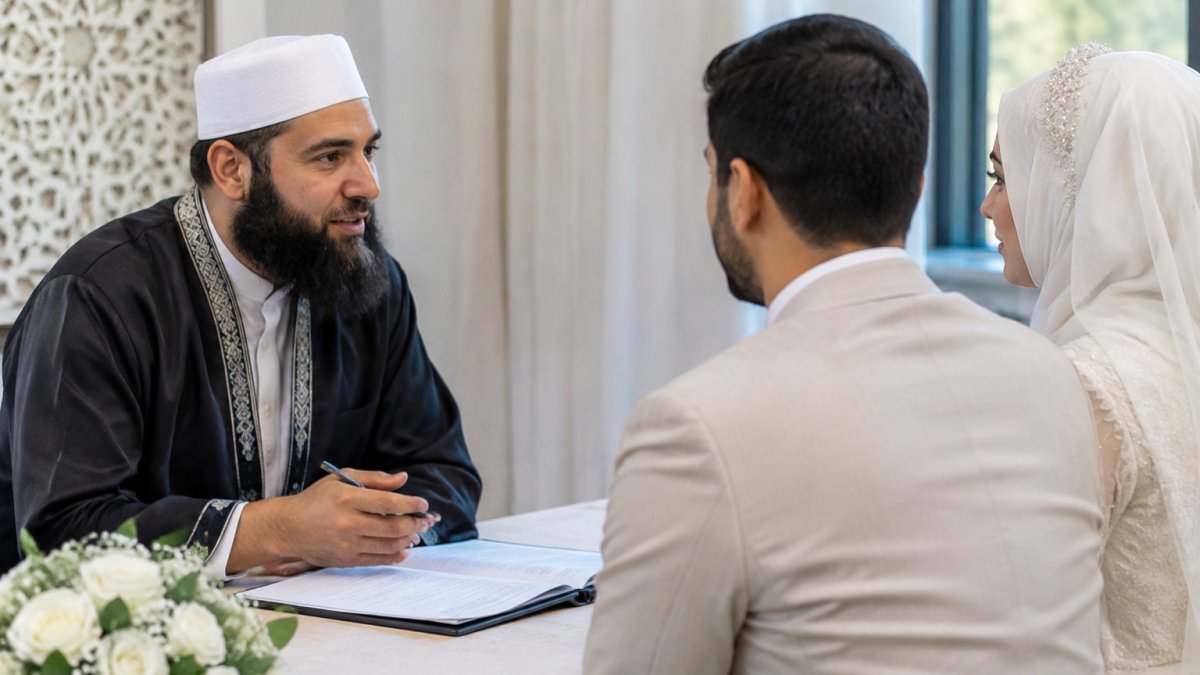
- Welcome and introduction from your celebrant
- A short reading or story about the two of you
- The monitum (legal wording, spoken by the celebrant)
- Your personal vows
- The legal vows
- Ring exchange if you're using rings
- A symbolic ritual if you want one
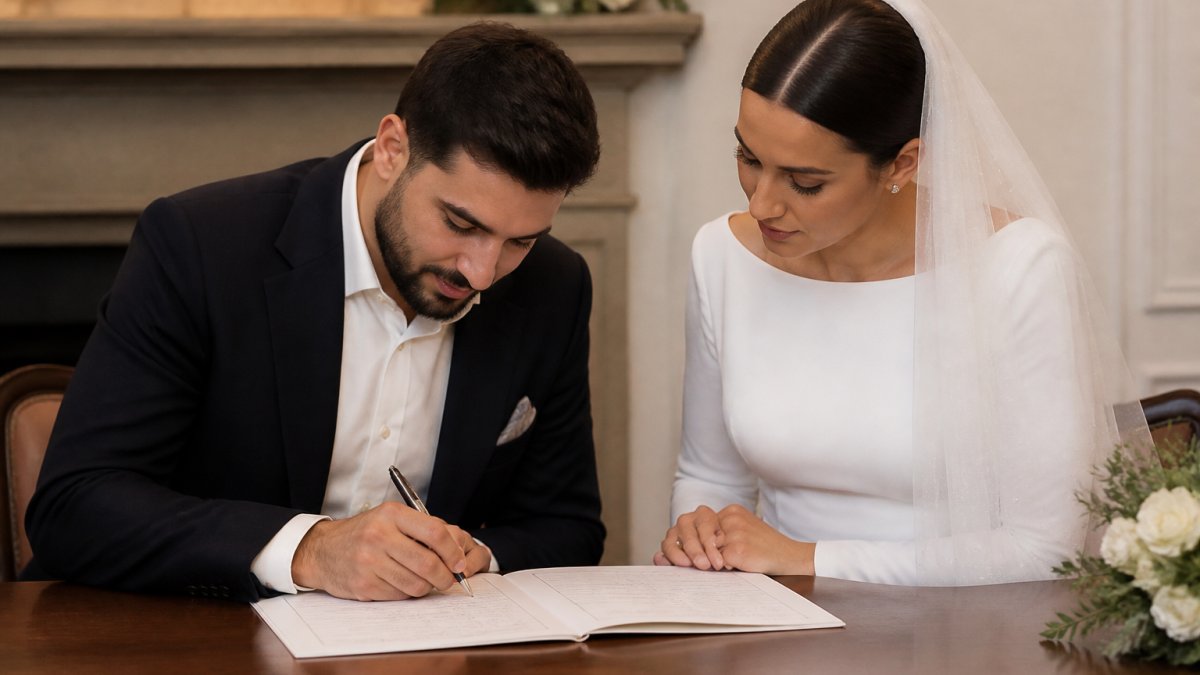
- Signing of the certificates with witnesses
- Closing words and recession
Civil Wedding Ceremony Wording You Can Make Your Own
Most of your ceremony wording is yours to write, and that's where the personality lives. You can start from customizable wedding ceremony script templates and adapt them into your own wording. Civil wedding ceremony wording only becomes fixed at two points: the monitum and the legal vows.
The Monitum and Other Fixed Legal Wording
Everything else is flexible. That includes:
- Your welcome and introduction
- Any reading or story you include
- Your personal vows
- The closing words
- Any ritual or family moment
Personal Wedding Vows Examples to Write From
Personal vows are where a ceremony stops being formal and starts being yours. The best ones sound like you talking, not like a greeting card.

Here are three personal wedding vows examples to write from. Steal the structure, not the words.
The everyday promise: "I promise to keep making you coffee the way you like it, to laugh at your jokes even when they're bad, and to always save you the last piece."
The hard-day promise: "I promise to stay when it's difficult, to listen before I react, and to choose you again on the days that aren't easy."
The growth promise: "I promise to make room for who you're becoming, to cheer louder than anyone, and to build a life we're both proud of."
Keep each vow short. Three to five promises is plenty. Read them aloud before the day, because what looks good on paper can trip you up out loud. A common mistake is writing vows that impress guests rather than speak to your partner. Write for one person in the room.
Civil Ceremony Readings, Poetry and Stories That Fit
Civil ceremony readings don't need to be famous. They need to be true. A reading works when it says something about your relationship that you couldn't say yourself.
Good sources for readings:
- A poem that was read at a parent's wedding
- A passage from a book you both love
- A letter one of you wrote years ago
- A short story about how you met
- Lyrics from a song that means something
Skip the readings you've heard at every wedding. If it doesn't connect to your story, it will feel borrowed, and guests notice.
A reading can run 60 to 90 seconds. Ask a friend or family member to deliver it, and give them a printed copy. Watch out: handing someone a reading on the day is how ceremonies stall.
Music, Symbolic Rituals and Family Traditions
Music sets the emotional temperature before a word is spoken. Choose one song for the processional and one for the recessional, then decide whether you want background music during the signing.
Symbolic rituals add a physical moment guests remember. Popular options include:
- A sand ceremony blending two colours into one vessel
- A candle lighting, sometimes with mothers or children involved
- A handfasting with ribbon or cord
- A tree planting with soil from a family home
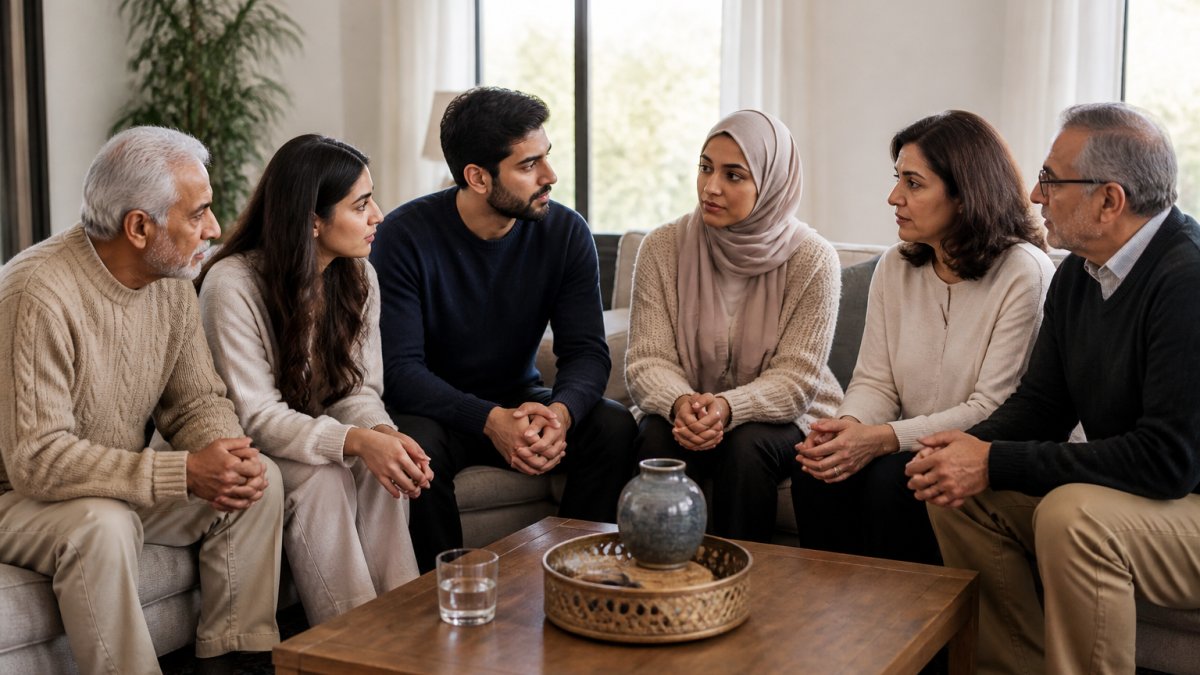
Family traditions can sit alongside these. A short blessing from a grandparent, a shared prayer, or a family recipe passed to the couple all work. If you're blending two faiths, the ceremony can hold both without forcing either to shrink.
Plan the Personal Details With Your Celebrant
The personal details don't organise themselves.
Here is a practical worksheet and timeline you can adapt.
The Personalisation Worksheet
Before you meet your celebrant, fill in these five lines. Keep each answer to one sentence.
- The one story we always tell about us: ________________________________
- The person who must be involved, and how: ________________________________
- The reading, song, or ritual that would feel wrong to leave out: ________________________________
- The tone we want guests to feel (circle one): joyful / calm / funny / solemn / celebratory
- The one thing we do not want in the ceremony: ________________________________
A Planning Timeline You Can Work Backwards From
- Six months out: Lodge the Notice of Intended Marriage. Confirm the legal requirements and the celebrant's availability. Start the worksheet above.
- Three months out: Draft personal vows. Choose your reading and music. Decide whether you want a symbolic ritual and who will deliver the reading.
- Six weeks out: Send the reading to the person delivering it, printed. Confirm music cues and whether a microphone is needed. Brief any family members with a speaking role.
- Two weeks out: Run a rehearsal or a walk-through with your celebrant. Confirm the order of service and who holds the rings. Check contingency plans for weather if the ceremony is outdoors.
- The day before: Pack the printed readings, the rings, and any ritual items in one bag. Confirm arrival times with everyone involved.
If you've never worked with a celebrant before, our guide on what to expect from a marriage celebrant walks through the process and the timeline.
When you're ready to talk through the details, you can contact us to request a booking and start planning.
Frequently Asked Questions
Can we include readings or music in a civil ceremony?
Yes. A civil ceremony can include readings, poetry, music and symbolic rituals. You might include a favourite poem, a passage from a novel, or a song that means something to you.
Can I say my own vows at a civil ceremony?
You can include personal vows in your ceremony. Check current legal requirements with an official source.
How long should a civil ceremony be?
Most civil ceremonies run 20 to 30 minutes. That gives room for an introduction, the legal monitum, personal vows, a reading or two, and a closing. If you want a short ceremony, 15 minutes is workable with one reading and brief vows. If you are adding symbolic rituals or several family members speaking, allow 35 to 40 minutes so nothing feels rushed.
How do we make a civil ceremony personal without a religious framework?
Focus on your shared history. Name the moment you met, the places that matter, the in-jokes your friends will recognise, and the qualities you value in each other. Use a civil ceremony reading that reflects your values, and ask one or two people who know you well to speak.
Your ceremony can be legally sound and still feel like nobody else's. That's the whole point. At Ceremonies With Faisal, we bring expertise in both Australian legal requirements and Islamic traditions, a personalised approach for interfaith and modern celebrations, and the experience of a registered marriage celebrant and Sheikh. Get started with Ceremonies With Faisal and walk into your wedding day knowing the paperwork is handled and the ceremony is truly yours.