 how-to
What to Expect From a Marriage Celebrant: 2026 Guide
Table of Contents
- What to Expect From a Marriage Celebrant: Your First Meeting
- Questions to Ask a Marriage Celebrant Before You Book
- Marriage Celebrant Service Inclusions: What You're Paying For
- How Long Is a Marriage Celebrant Ceremony?
- Wedding Ceremony Script Examples and How Your Celebrant Uses Them
- The Legal Side: Notice of Intended Marriage and Identity Checks
- Wedding Day and Beyond: What Happens After the Ceremony
- Frequently Asked Questions
Last Updated: October 9, 2026
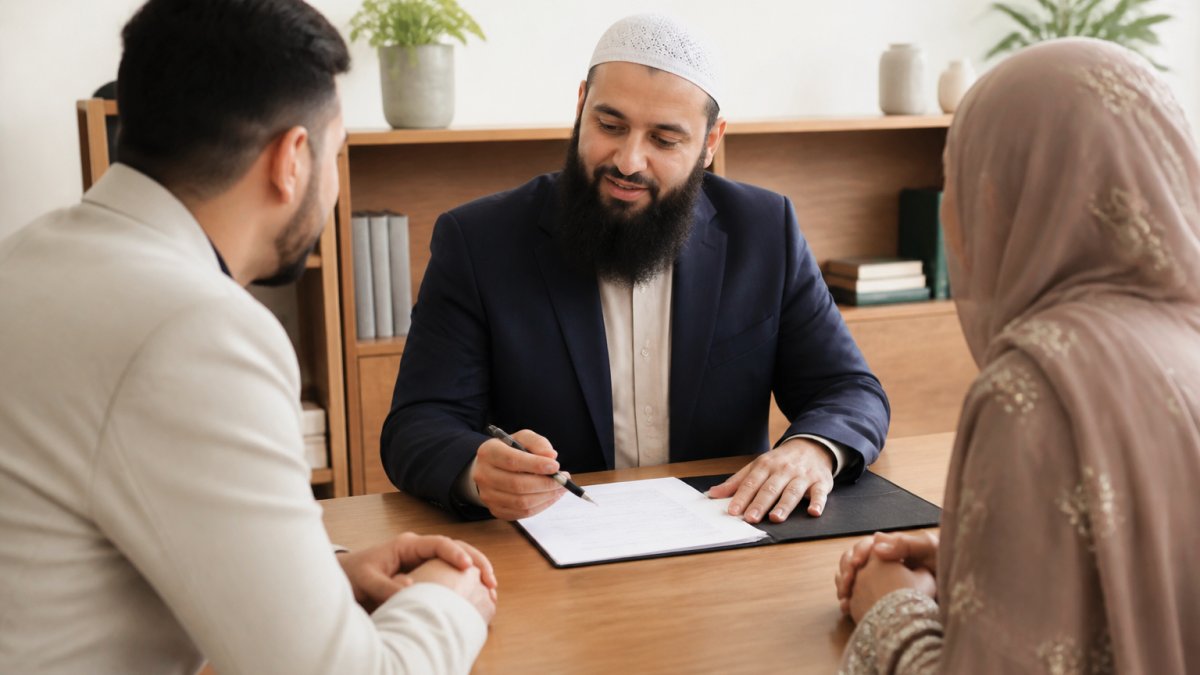
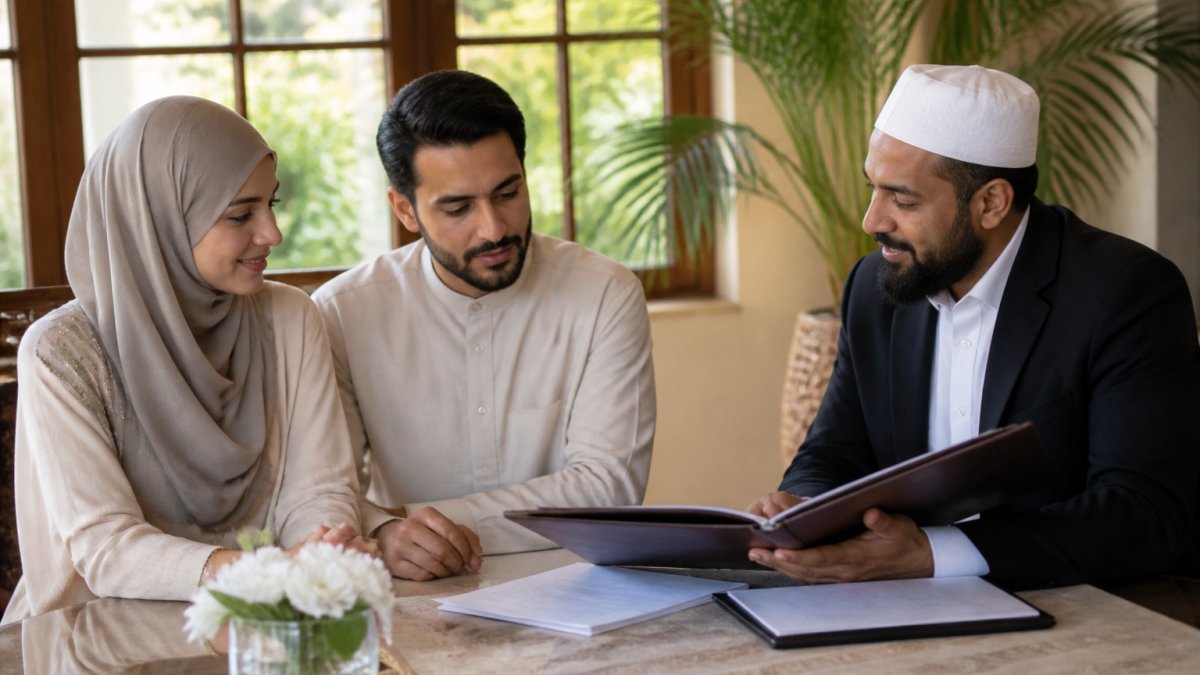
What to Expect From a Marriage Celebrant: Your First Meeting
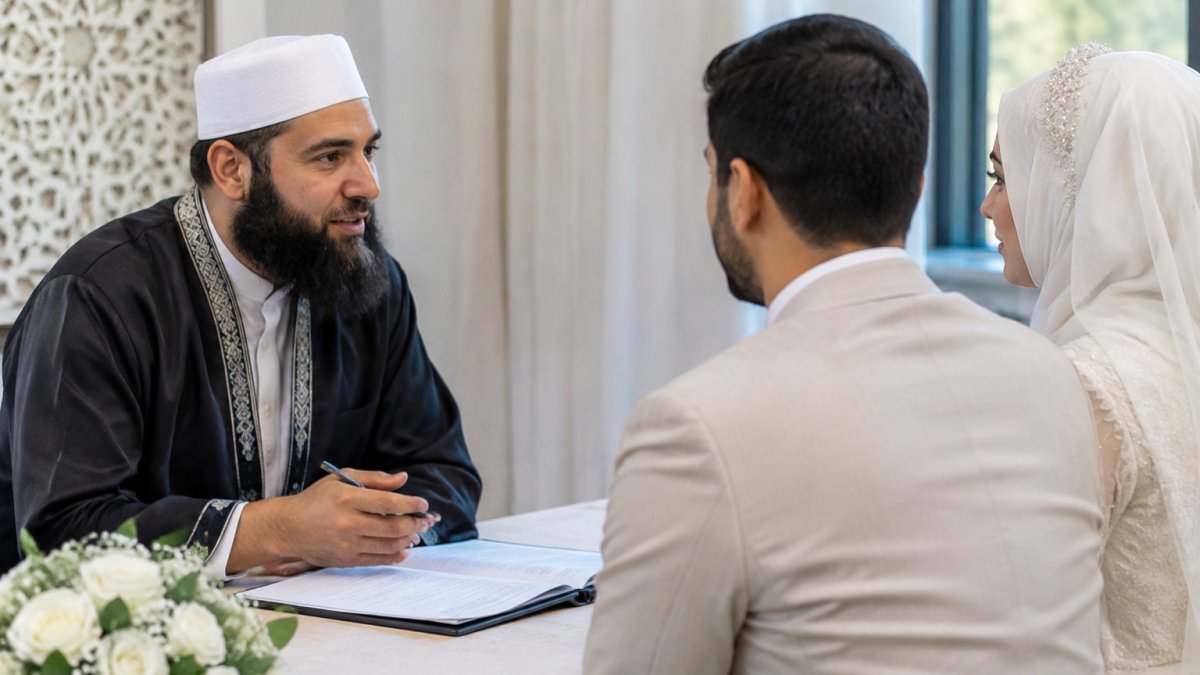
A marriage celebrant is a person authorised to legally marry couples and guide them through the ceremony process from first enquiry to final paperwork.
Your celebrant should cover three things early:
- The legal steps and what you must sign
- How the ceremony will reflect your values and culture
- What you need to prepare before the next meeting
Bring your questions and your ideas. Nothing is too small to ask.
Questions to Ask a Marriage Celebrant Before You Book
The best questions are the ones that reveal how a celebrant works under pressure. Ask about their legal process, their backup plans, and how they personalise a ceremony. A good celebrant will welcome the scrutiny.
Legal and Paperwork Questions
- Are you registered with the Attorney-General's Department marriage celebrant register?
- When must we lodge the Notice of Intended Marriage?
- What ID do we need, and who verifies it?
- Can you explain the legal vows we must say?
Style and Personalisation Questions
- How do you learn about our story?
- Can you include religious and civil elements together?
- How many drafts of the ceremony script do we get?
- What happens if we change our minds about the format?
Marriage Celebrant Service Inclusions: What You're Paying For
Most celebrant fees cover more than the ceremony itself. You are paying for legal administration, planning meetings, script writing, and the rehearsal. Ask for a written list of inclusions before you pay a deposit, and ask what is not included, the exclusions cause more disputes than the headline fee.
Typical inclusions:
- Initial consultation and follow-up meetings (ask how many are included, and whether they are in person or online)
- Notice of Intended Marriage lodgement support, including checking your documents before lodgement
- Ceremony script drafting and a stated number of revisions
- Rehearsal attendance and wedding-day coordination
- Completion and lodgement of the official marriage paperwork after the ceremony
What Changes the Price
Pricing depends on travel distance, ceremony length, extra meetings, and how much customisation you want. Some celebrants charge more for bilingual or interfaith ceremonies. Others add fees for public holiday dates. Ask for a full quote in writing, and check the brand's website for current pricing before you book.
Beyond the headline fee, these are the variables that move the number most:
- Travel. A celebrant who charges a flat fee for a venue 20 minutes away may add a per-kilometre or time-based charge for a regional or destination wedding. Ask whether the quote includes travel both ways and any parking or toll costs.
- Rehearsal. Some fees bundle a rehearsal; others treat it as an optional extra. If your ceremony has multiple readers, cultural rituals, or a large bridal party, a rehearsal is worth paying for.
- Script revisions. "Unlimited revisions" and "two rounds of edits" are very different offers. Ask what counts as a round.
- Additional meetings. A second or third planning meeting may be included or billed hourly.
- Language and cultural elements. Bilingual readings, translations, or blended religious and civil rites often take more preparation time.
- Date and time. Peak-season Saturdays, public holidays, and evening ceremonies can attract a surcharge.
- Equipment. A PA system, lapel microphone, or signing table may be included or hired separately.
A Simple Way to Compare Quotes
Put two or three quotes side by side and normalise them. Ask each celebrant for the same five figures: base fee, travel, rehearsal, extra meetings, and equipment. Then ask what happens if the wedding is postponed, is the deposit transferable, and is there a rebooking fee? A cheaper headline fee with several add-ons can end up costing more than a slightly higher all-inclusive quote.
What to Prepare Before Each Meeting
To get the most value from the time you are paying for, arrive prepared. Before the first meeting, bring photo ID, your birth certificates, and any divorce or death certificates if either of you has been married before. Before the planning meeting, bring a rough guest count, your venue details and access times, two or three readings or songs you like, and a sense of the tone you want.
A Booking-to-Wedding-Day Timeline
Most couples find it helpful to know roughly when each task happens. Exact timing depends on your celebrant and your date, but a common pattern looks like this:
- 12+ months out: Enquire, compare quotes, check the celebrant is registered, and book.
- 6-12 months out: First planning meeting. Confirm the ceremony style, readings, and cultural elements.
- 3-6 months out: Lodge the Notice of Intended Marriage. This must be lodged at least one month before the wedding, but lodging earlier gives you time to fix any document problems.
- 1-3 months out: Review script drafts, finalise vows, confirm witnesses, and book the rehearsal.
- 2-4 weeks out: Rehearsal. Confirm timings, music, and who is doing what.
- Wedding day: The celebrant arrives early, runs the ceremony, and manages the signing.
- After the wedding: The celebrant lodges the paperwork so the marriage is registered. You then apply for an official marriage certificate through the state or territory registry.
For official rules and forms, check the Attorney-General's Department marriage information.
How Long Is a Marriage Celebrant Ceremony?
Most marriage celebrant ceremonies run 20 to 45 minutes, depending on readings, vows, and cultural elements. A simple civil ceremony can finish in under 20 minutes. A Nikah or interfaith ceremony with multiple rituals often runs longer. The legal minimum is short, but the meaningful parts are yours to shape. Talk to your celebrant about timing early, especially if you have a venue booking window.
| Ceremony Type | Typical Length | Main Additions |
|---|---|---|
| Civil ceremony | 20-30 minutes | Vows, readings |
| Nikah | 30-45 minutes | Religious rites, dua |
| Interfaith | 30-50 minutes | Blended rituals, translations |
| Commitment ceremony | 15-25 minutes | Personal vows |
Wedding Ceremony Script Examples and How Your Celebrant Uses Them
A wedding ceremony script is the written plan your celebrant follows on the day, covering the welcome, readings, vows, and closing words. Script examples give you a starting point, but the best ones are built around your story, not copied from a template.
A common mistake is treating a script example as a finished product. In practice, the strongest ceremonies borrow structure from examples and fill it with your own words.
The Legal Side: Notice of Intended Marriage and Identity Checks
The Notice of Intended Marriage must be lodged with your celebrant at least one month before the wedding, though some circumstances allow a shorter period with approval. You must provide proof of identity and date of birth, such as a passport or birth certificate, plus evidence of any previous marriage ending. Your celebrant verifies these documents and lodges the paperwork. For official rules and forms, check the Attorney-General's Department marriage information.
Wedding Day and Beyond: What Happens After the Ceremony
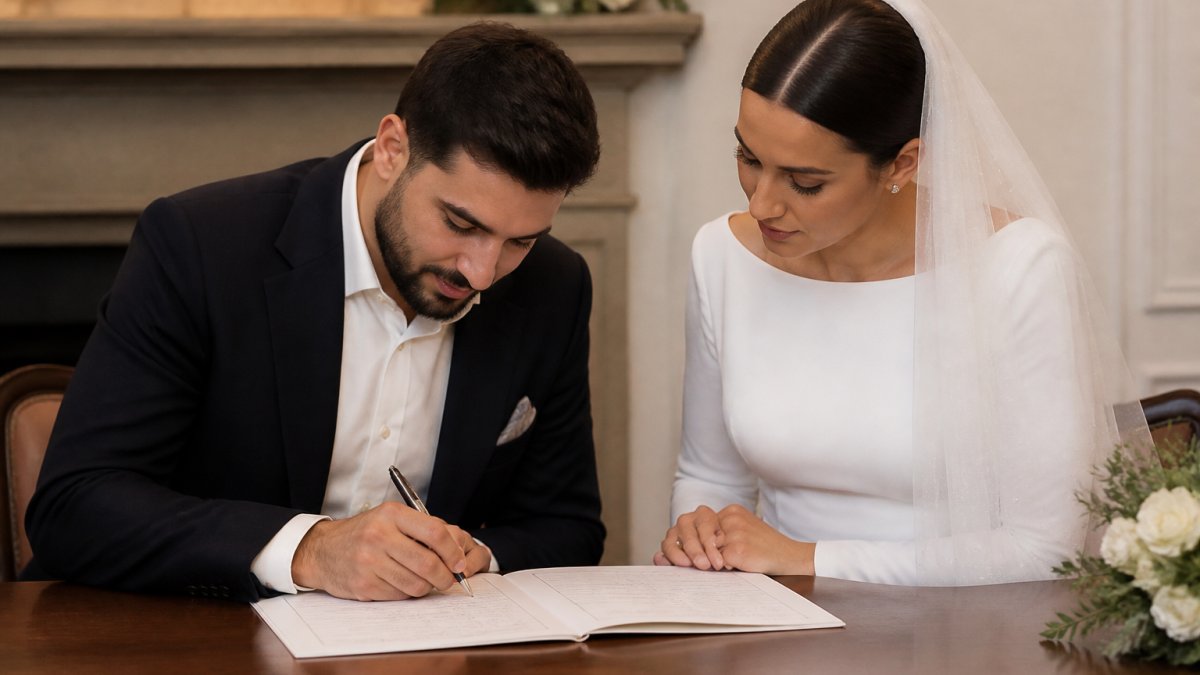
On the day, your celebrant arrives early, checks the setup, and runs the ceremony from start to finish. They manage the timing, the witnesses, and the signing of the marriage certificates. After the ceremony, your celebrant lodges the paperwork so your marriage is registered. You then apply for an official marriage certificate through the state or territory registry.
What the Celebrant Actually Does on the Day
A well-prepared celebrant follows a predictable sequence. Knowing it in advance removes most of the day-of nerves:
- Arrives early. Usually 30-45 minutes before the start, to check the space, the sound, and the signing table.
- Briefs the participants. A quick word with the witnesses, readers, and anyone holding rings or doing a reading.
- Coordinates with suppliers. Confirms cues with the photographer, videographer, and musicians or DJ.
- Runs the ceremony. Welcome, introduction, readings, vows, ring exchange, declaration, signing, and closing words.
- Manages the signing. Ensures the correct documents are signed by the right people in the right places, in front of the required witnesses.
- Lodges the paperwork. Submits the completed forms so the marriage can be registered.
Contingency Planning: The Questions Worth Asking
This is where a celebrant earns their fee. Ask these questions before the wedding, not on the day:
- Weather. If the ceremony is outdoors, what is the wet-weather plan, and who makes the call to move it? Agree on a decision time, often 60-90 minutes before the start.
- Late arrivals. How long will the celebrant wait for a late partner or a key guest before starting?
- Illness. If the celebrant is unwell, do they have a colleague who can step in? If a partner is unwell, can the ceremony be postponed, and what does that cost?
- Technical failure. What happens if the PA, microphone, or music fails? A celebrant who can project without a microphone is a genuine asset.
- Missing documents. What is the backup if a witness forgets ID or a document is misplaced?
- Running order changes. If the ceremony is running late, what gets cut first?
After the Ceremony: Registration and Certificates
After the ceremony, the celebrant lodges the required paperwork so the marriage is registered. You then apply for an official marriage certificate through the state or territory registry. Keep in mind that the certificate you sign on the day is not the same as the official certificate you apply for later, many couples are surprised by this. Allow time for the registry to process the application, and check current processing times and fees on the relevant registry website before you need the certificate for anything official, such as a passport or name change.
A Quick Post-Wedding Checklist
- Confirm the celebrant has lodged the paperwork.
- Apply for the official marriage certificate through the state or territory registry.
- Update your name with the relevant agencies if you are changing it.
- Store your documents somewhere safe, you will need them again.
Frequently Asked Questions
What does a marriage celebrant do before the wedding?
Before the wedding, your celebrant meets with you to understand your story, helps lodge the Notice of Intended Marriage, verifies identity documents, plans the ceremony structure, and runs a rehearsal. They also prepare and lodge legal paperwork with the registry after the ceremony. This preparation ensures the ceremony is legally valid and personally meaningful, so you can focus on enjoying the day.
What should we ask a marriage celebrant at our first meeting?
Ask about their registration, experience with your ceremony type, what is included in their fee, how they personalise the ceremony, and their process for handling legal paperwork. Also ask about availability, backup plans, and how they handle last-minute changes. These questions help you assess whether they are the right fit for your wedding.
How long does a celebrant-led wedding ceremony usually take?
A celebrant-led ceremony typically runs 20 to 45 minutes, depending on the number of readings, vows, cultural rituals, and music. The legal minimum is short, but most couples add personal touches that extend the time. Your celebrant will help you balance legal requirements with personal elements to create a ceremony that feels complete and meaningful.
What happens after the wedding ceremony?
After the ceremony, you, your witnesses, and the celebrant sign the marriage certificates. The celebrant lodges the official certificate with the state registry, and you receive a commemorative certificate on the day. The formal marriage certificate arrives later from the registry. Your celebrant will explain the timeline and any steps you need to take.
Choosing the right celebrant comes down to trust, legal knowledge, and how well they understand your story. Ceremonies With Faisal combines expertise in Australian legal requirements with Islamic traditions, offering personalised Nikah, civil, and interfaith ceremonies across Sydney. Led by Faisal Akhtar, an experienced Sheikh and registered marriage celebrant, we guide you through every legal step and craft a ceremony that reflects who you are. Call now to book your first consultation.