 ultimate-guide
Personalised Wedding Ceremony Planning Tips for 2026
Table of Contents
- Start With the Two of You: The Story-First Planning Method
- Writing Personal Wedding Vows That Sound Like You
- Incorporating Cultural Traditions Into Wedding Ceremonies (Without Losing the Plot)
- Marriage Celebrant Duties: What Your Celebrant Actually Does (and What They Can't)
- How Long Is a Typical Wedding Ceremony, and How to Build Your Running Order
- Personal Touches on a Budget: Where Your Money Actually Shows
- Inclusive Ceremony Design: Blending Faiths, Families and Beliefs
- From Last Kiss to First Toast: The Post-Ceremony Transition
- Frequently Asked Questions
Last Updated: October 1, 2026
Start With the Two of You: The Story-First Planning Method
Most couples begin with the venue, the date, or the guest list. That is backwards. The strongest personalised wedding ceremony starts with a single page about the two of you, written before you book anything. That one page reshapes every decision that follows, from the readings you choose to the way your celebrant introduces you.
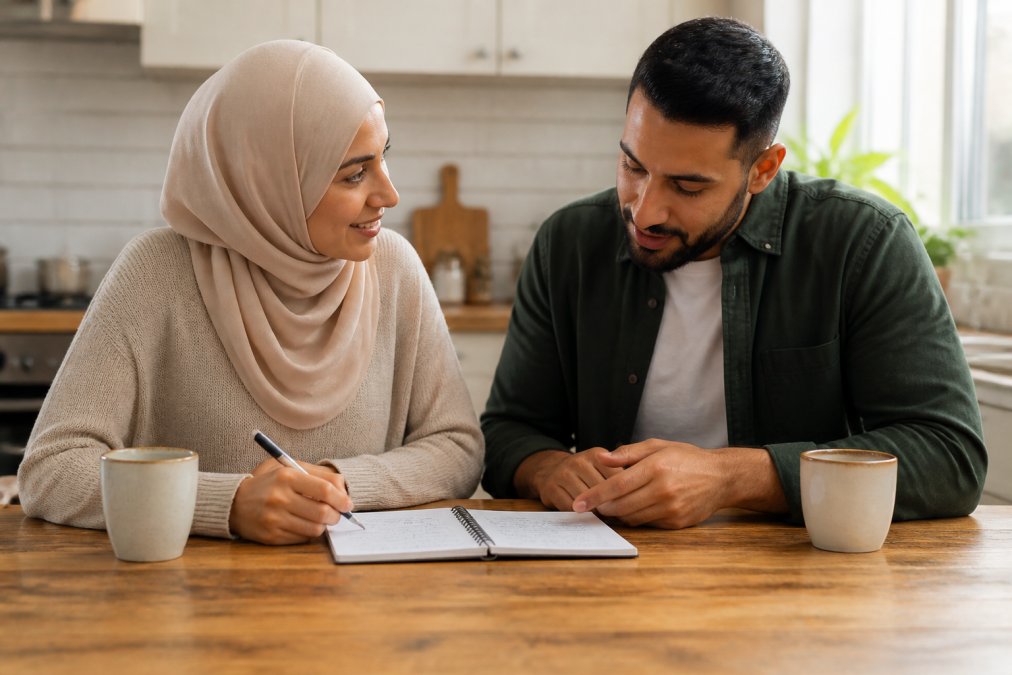
The One-Page Story Brief
Write three short sections: how you met, what you have built together, and what you want your guests to feel. Keep it under 300 words. This brief becomes the source document your celebrant, your MC and your photographer all work from, and it stops the ceremony drifting into generic territory.
Writing Personal Wedding Vows That Sound Like You
Personal vows fail when couples try to sound poetic instead of honest. Write them the way you talk, then cut anything you would not say out loud at dinner. Aim for 150 to 250 words each so the vow exchange stays balanced, a common pattern is one partner writing 400 words and the other writing 80, which makes the ceremony feel lopsided before the rings are even exchanged.
A Vow Template You Can Steal
- "I promise to [specific everyday thing you already do for each other]."
- "I will keep [a shared habit or ritual] alive, even when life gets busy."
- "When [a known challenge] comes up, I will [how you will respond]."
- "I choose you as [the role you want them to play in your life]."
Swap the placeholders for real details. Specific beats sentimental every time.
The Legal Bit Most Vow Guides Skip
Your personal vows sit alongside, not instead of, the legal wording your celebrant must say under the Marriage Act 1961. Under section 45, the celebrant must recite the required monitum and you must each say the words of the legal vow in the presence of two witnesses and your celebrant. You cannot replace that wording with your own, and you cannot have a friend lead it.
Delivery Mechanics That Save the Moment
- Print your vows on card, not paper. Paper shakes; card does not.
- Use 14pt or larger type. Reading glasses get forgotten.
- Hand a copy to your celebrant as a backup. If you freeze, they can prompt you.
- Rehearse once out loud, standing, with the microphone you will actually use.
- Decide in advance whether you will read them to each other or hand them to the celebrant to read. Both are valid; the second is easier if either of you is prone to tears.
When to Write Them
Start drafting at least six weeks out. Vows written the night before tend to be either rushed or overwritten. Write a first pass, leave it a week, then cut by a third. The second draft is almost always the one that sounds like you.
Incorporating Cultural Traditions Into Wedding Ceremonies (Without Losing the Plot)
Cultural traditions work best when they are explained, not just performed. A unity ritual, a family heritage reading, or a symbolic gesture lands harder when your celebrant gives guests two sentences of context first. Otherwise half the room watches politely and understands nothing.
Marriage Celebrant Duties: What Your Celebrant Actually Does (and What They Can't)
A marriage celebrant's duties go well beyond standing at the front on the day. Under Australian law, a registered celebrant must confirm your identity, witness your signatures, lodge your paperwork with the relevant births, deaths and marriages registry, and ensure the ceremony meets the legal requirements for a valid marriage. The Attorney-General's Department guidance on marriage sets out what a valid ceremony requires.
How Long Is a Typical Wedding Ceremony, and How to Build Your Running Order
A typical wedding ceremony runs 20 to 30 minutes, though personalised ceremonies with multiple readings and rituals often stretch to 40. Anything past 45 minutes tests guest attention unless the content is genuinely gripping.
| Ceremony Segment | Typical Duration | Notes |
|---|---|---|
| Processional | 2-4 minutes | One song, no medley |
| Welcome and introduction | 3-5 minutes | Sets the tone |
| Readings or cultural ritual | 5-8 minutes | One or two maximum |
| Vow exchange | 4-6 minutes | Personal vows add time |
| Legal wording and signing | 5-7 minutes | Fixed, non-negotiable |
| Recessional | 2-3 minutes | Keep it short |
Personal Touches on a Budget: Where Your Money Actually Shows
Money spent on personalised details pays off in three places: the words, the music and the way guests are included. Everything else is optional. A handwritten vow card costs nothing and outlasts most decor.
- Ask a sibling or close friend to deliver a reading instead of hiring a professional.
- Use a meaningful song for the processional rather than a string quartet.
- Print a simple wedding program explaining any rituals or cultural traditions.
- Borrow a family heirloom for the unity ritual instead of buying new.
Inclusive Ceremony Design: Blending Faiths, Families and Beliefs
Inclusive ceremony design means every guest can follow what is happening without anyone being asked to participate in something they do not believe. For interfaith couples, that usually means a customised ceremony with shared elements, clear language, and no assumptions about who prays or who stays silent.
From Last Kiss to First Toast: The Post-Ceremony Transition
The gap between the recessional and the reception is where most weddings lose momentum. Plan it. Decide in advance where guests go, what they drink, and who directs them, because a confused crowd drifts, and a drifting crowd is the fastest way to undo the atmosphere your personalised ceremony just built.
A Workable Running Order
- Recessional, then immediate congratulations outside the ceremony venue. Cap this at 10 minutes; beyond that, guests start looking for shade, seats or the bar.
- Group photos while guests move to drinks, capped at 20 minutes. Any longer and the drinks window overlaps the reception start.
- Signing of the marriage certificates witnessed by two guests. This is a legal step, not a photo op, do it before the reception, not during it.
- MC announces the reception start with a clear cue. One sentence, one direction, one door.
Assign one person to manage each step. Couples who plan this window report far less stress than those who improvise, and your vendors will thank you for the clarity.
The Constraints Nobody Warns You About
- Venue curfews. Many ceremony venues, parks, beaches, council reserves, heritage buildings, have hard out-times or noise restrictions. Check your permit before you plan a long photo window on site.
- Wet weather. Have a covered fallback for the congratulations and photo window, not just the ceremony itself. Umbrellas and a nearby awning beat a reshuffled schedule.
- Guest mobility. If you have older guests or anyone with limited mobility, the walk from ceremony to drinks needs to be short, flat and signposted. A 400-metre walk across gravel is a silent exclusion.
- Vendor handover. Your photographer, videographer and musician all need to know the transition plan in writing. A one-page run sheet sent a week out prevents the most common day-of confusion.
Carry the Ceremony Into the Reception
The transition is also where your personalised ceremony content should echo. If you used a particular reading, a cultural ritual, or a meaningful song, reuse one of those elements as guests arrive at the reception, the same track playing softly, a framed copy of the reading on the welcome table, or a two-line note in the menu explaining the ritual they just watched.
Frequently Asked Questions
What are the legal requirements for a marriage ceremony in Australia?
You need to complete a Notice of Intended Marriage (NOIM) and give it to your celebrant at least one month before the ceremony. You also need two witnesses aged 18 or over, and your celebrant must be registered with the Attorney-General's Department. A personalised wedding ceremony must still include the legal vows and the monitum, which your celebrant is required to say. Your celebrant will lodge the paperwork with the Registry of Births, Deaths and Marriages after the day.
How can I make my wedding ceremony more personal?
Start with your story, not a template. Write down how you met, what you have survived together and what you want your guests to feel. Then build the ceremony around that. Choose readings that mean something to you, involve the people who matter, and write your own vows if you can. A celebrant who takes the time to understand your relationship will shape the words, the tone and the small details around who you actually are.
How long should a personalised wedding ceremony last?
Most ceremonies run 20 to 30 minutes, and that is usually the sweet spot. A full Nikah with cultural elements can run closer to 40 minutes. Anything past 45 minutes tests your guests' attention, especially outdoors. If you have a lot to include, look at the running order and cut what does not earn its place. Your celebrant can help you keep the flow tight without losing the meaningful parts.
How do I incorporate cultural or religious traditions into a modern ceremony?
Pick the traditions that carry real meaning for you, not the ones you feel obliged to include. For a Nikah, that might mean the contract, the wali and a dua. For an interfaith ceremony, it might mean a reading from each tradition and a unity ritual that belongs to neither. Explain each element briefly in the wedding program so guests from other backgrounds can follow along. A celebrant experienced in both faith and law can sequence them so nothing feels bolted on.
What are some common ceremony mistakes?
The most common ones are leaving the legal paperwork too late, skipping a rehearsal, and trying to fit every tradition into one ceremony. Another is choosing readings or vows that sound impressive but do not sound like you. Guests notice the difference. Also check your ceremony venue for shade, seating and a sound system, and brief anyone doing a reading on how long they have. Small logistics cause more stress than big decisions.
What is the role of a marriage celebrant in personalising a wedding?
A celebrant does more than turn up and read a script. They meet with you, learn your story, draft the ceremony script, guide you through the legal paperwork and run the rehearsal. In a personalised wedding ceremony, they also help you decide which traditions to include, how to word your vows and how to keep the tone right. Their job is to make the ceremony feel like yours while keeping every legal requirement intact.