 how-to
How to Plan a Simple Nikah: Step-by-Step Guide
Table of Contents
- Understanding Nikah Requirements and Witnesses
- Step 1: Confirm Consent and Agree on the Mahr
- Step 2: Arrange an Imam or Officiant
- Step 3: Select Your Venue and Date
- Step 4: Invite Witnesses and Close Family
- How Long Does a Nikah Ceremony Take and What to Expect
- Nikah Ceremony Checklist and Legal Registration
- Understanding the Nikah Ceremony Script and What Happens During the Rite
- Frequently Asked Questions
Last Updated: October 11, 2026
Understanding Nikah Requirements and Witnesses
Understanding how to plan a simple nikah begins with knowing it's an Islamic marriage contract that requires the consent of both partners, a guardian (wali) for the bride in most traditions, and two adult witnesses. Understanding these core requirements ensures your ceremony is both spiritually meaningful and legally valid under Australian law.
The foundation of any nikah rests on clear, voluntary consent from both partners, expressed clearly during the ceremony itself, not assumed beforehand.
You'll need two adult Muslim witnesses who are mentally sound and can testify to the contract. Many couples invite close family members, which strengthens the personal significance of the moment.
The wali (guardian) traditionally represents the bride's family interests. In most Islamic schools, the bride's father or a male relative acts as wali, though some traditions allow the bride to appoint her own wali or waive this requirement. Ceremonies With Faisal guides couples through these traditions while respecting individual family preferences and modern circumstances.
Step 1: Confirm Consent and Agree on the Mahr
The first practical step is ensuring both partners explicitly agree to the marriage and understand the mahr (dower). Have this conversation privately between you and your partner before involving anyone else.
The mahr is a gift or financial commitment from the groom to the bride, symbolising his commitment and her right within the marriage. Critically, the mahr is entirely flexible, there is no minimum or maximum amount set by Islamic law, allowing couples to choose what is genuinely meaningful and affordable.
Mahr options for a simple nikah:
- Symbolic or modest financial gift: £500-£2,000 is common for couples prioritising simplicity, though any amount agreed upon is valid.
- Jewellery: A ring, bracelet, or necklace with personal significance. This can be new or a family heirloom.
- Property or asset: A car, land, or other tangible item of agreed value.
- Educational or skill-based: Teaching the bride the Quran, a language, or a professional skill. This is particularly valued in Islamic tradition.
- Deferred mahr: An amount the groom commits to pay at a future date (e.g., upon divorce or death), which can ease immediate financial pressure.
- Combination: For example, a ring plus a modest sum, or jewellery plus a promise of future support.
What matters is that both partners genuinely agree on it beforehand and write it down to prevent misunderstanding on the day.
Different Islamic schools have slightly different views on mahr requirements. Before finalising your mahr, consult with your officiant or a trusted local scholar to confirm what aligns with your family's tradition.
Step 2: Arrange an Imam or Officiant
You'll need a registered marriage celebrant who is also an imam or sheikh to ensure your ceremony is legally binding in Australia while honouring Islamic tradition.
Ask potential officiants about their background, their approach to modern ceremonies, and how they handle legal paperwork.
If you're planning a simple nikah, you might prefer someone who can keep the ceremony focused and intimate. Ceremonies With Faisal specialises in personalised nikah ceremonies that respect both Islamic requirements and Australian legal standards, making the process straightforward for couples who want authenticity without unnecessary complexity.
Contact your chosen officiant at least 4-6 weeks before your intended date to confirm availability and discuss legal requirements.
Step 3: Select Your Venue and Date
When deciding how to plan a simple nikah, your venue choice shapes cost, privacy, and accessibility, key decisions for the ceremony.

Venue options and practical considerations:
Home ceremony
- Cost: Free to minimal (refreshments only).
- Privacy: Complete control; only invited guests attend.
- Accessibility: Ensure adequate seating, parking, and facilities for elderly or disabled guests.
- Atmosphere: Intimate and personal.
- Logistics: Confirm you have enough room for witnesses, officiant, and guests.
- Timeline to book: Immediate; notify family early.
Mosque or Islamic centre
- Cost: Often free or a small donation (typically £50-£200).
- Privacy: Semi-private; many mosques offer dedicated times for ceremonies.
- Accessibility: Most modern mosques have wheelchair access and parking. Confirm in advance.
- Atmosphere: Spiritually significant.
- Logistics: Limited control over timing; work around prayer times and other bookings.
- Timeline to book: 4-8 weeks in advance.
- Important: Contact the imam early to confirm requirements for witnesses, wali involvement, and paperwork.
Hired venue (community hall, garden, function room)
- Cost: £200-£800 depending on location and size.
- Privacy: Full control.
- Accessibility: Confirm wheelchair access and facilities when enquiring.
- Atmosphere: Flexible.
- Logistics: You manage setup and guest flow.
- Timeline to book: 6-12 weeks in advance.
Choosing your date:
Pick a date that works for your officiant, witnesses, and key family members. Friday afternoons hold special significance in Islamic tradition, though any day is legally valid. Confirm officiant availability 6-8 weeks ahead, ensure your witnesses can attend, and coordinate with family schedules. Consider daylight vs. evening and seasonal weather factors.
Managing family expectations around venue and guest size:
A simple nikah often means a small guest list, which can create tension if extended family expects a larger celebration. Communicate clearly and early:
- Explain your vision: Tell family members that you're prioritising intimacy and spiritual focus over a large gathering. Frame this as a choice, not a limitation.
- Offer alternatives: If family wants a larger celebration, suggest a separate walimah (reception) after the nikah, which can be as simple or elaborate as you wish.
- Set boundaries kindly: Decide in advance how many guests you can accommodate and communicate this clearly. For example: "We're keeping the ceremony to immediate family and close friends, about 15 people, to keep it intimate. We'd love to celebrate with everyone at a gathering afterward."
- Involve key decision-makers: Discuss venue and guest size with both sets of parents early, so they feel heard and can adjust expectations.
Step 4: Invite Witnesses and Close Family
Once your date and venue are confirmed, invite your two witnesses and the people you want present. Keep this list intentional, a simple nikah works best with a small, focused group.
Your witnesses should be adults, mentally sound, and preferably people who understand the significance of what they're witnessing. Many couples choose a parent, sibling, or close friend. Make sure they can attend and understand their role before the day.
Decide whether you want extended family, close friends, or just immediate family present. A simple nikah doesn't require a large celebration, though some couples choose to host a separate gathering afterward if they wish. Communicate clearly with invitees about what to expect and what's expected of them.
Send invitations at least 2-3 weeks ahead. Include the date, time, venue, and any specific instructions (like dress code or arrival time).
How Long Does a Nikah Ceremony Take and What to Expect
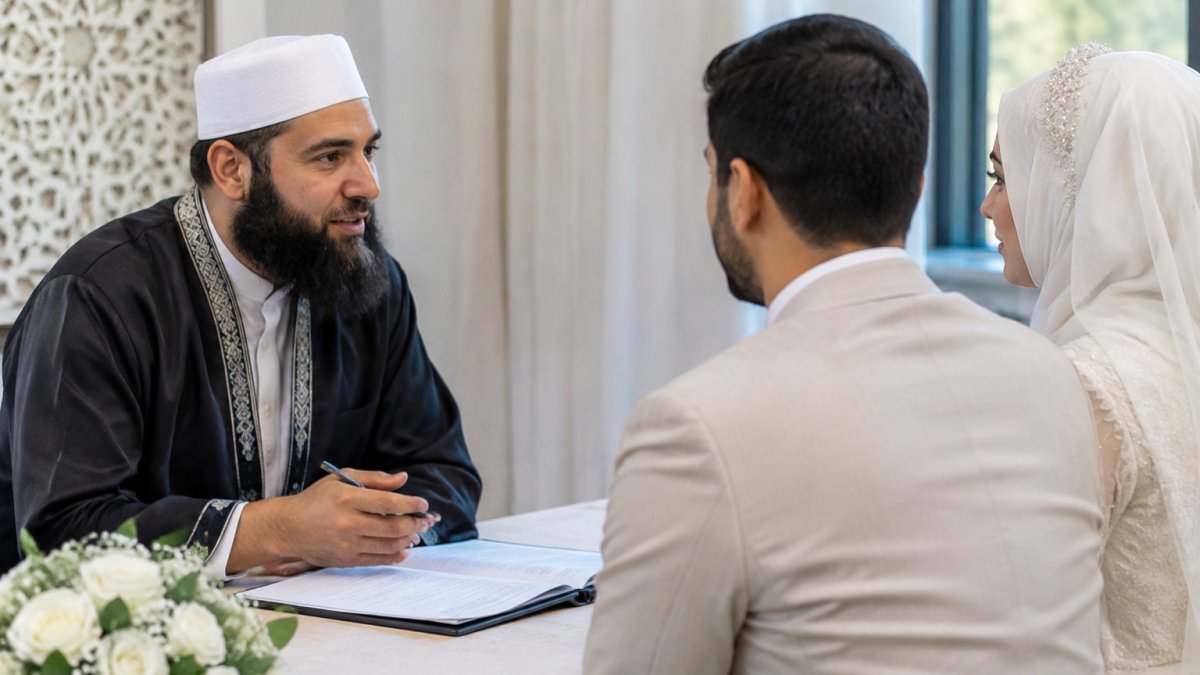
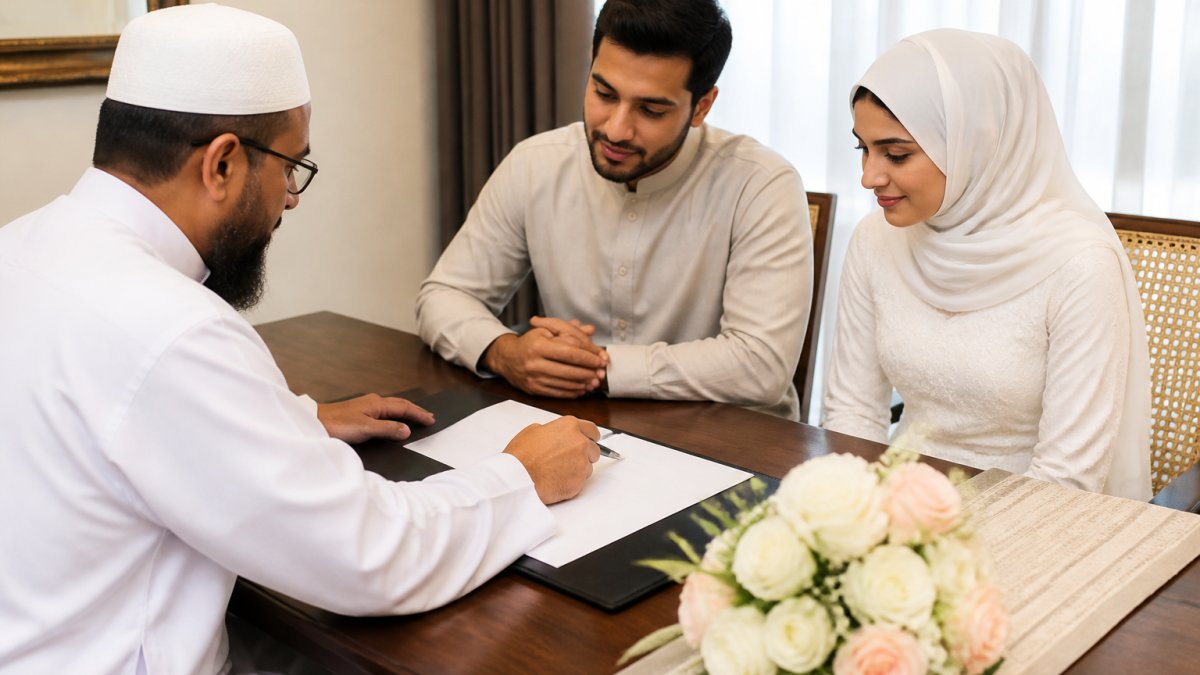
A nikah ceremony itself typically lasts 15-30 minutes. The officiant will explain the contract, confirm consent from both partners, facilitate the exchange of vows or ijab (offer) and qabul (acceptance), and have the witnesses sign documentation.
The overall experience, including arrival, settling in, the ceremony, and signing papers, usually takes 45 minutes to an hour. This brevity doesn't diminish its meaning; the simplicity often makes it more powerful.
Expect the officiant to speak about the importance of the marriage, confirm both partners' willingness, explain the mahr, and guide the exchange of consent. Some officiants incorporate Quranic verses or personal words. The atmosphere is usually calm and reflective.
Nikah Ceremony Checklist and Legal Registration
Before your ceremony date, complete these steps to ensure everything runs smoothly.
Two weeks before:
- Confirm your officiant and venue
- Verify your witnesses can attend
- Prepare any documentation your officiant needs (identification, proof of single status if required)
One week before:
- Finalise your guest list and send reminders
- Arrange transport if needed
- Prepare the mahr (if it's a physical item) or confirm the financial arrangement
- Brief your witnesses on their role
Day of ceremony:
- Arrive 15 minutes early
- Bring identification and any required documents
- Ensure both partners are calm and ready
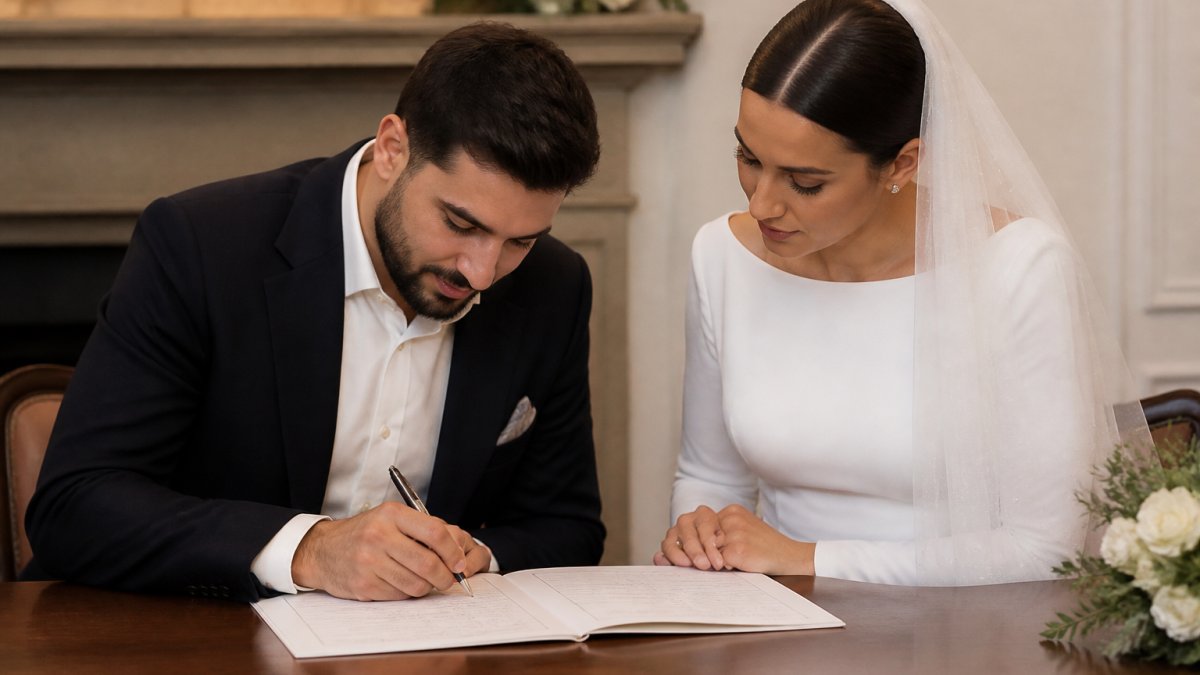
- Have the officiant and witnesses sign the nikah contract
After the ceremony:
- File the Notice of Intended Marriage with the appropriate authority if required
- Keep copies of all signed documents
- Register your marriage with the Registry of Births, Deaths and Marriages in your state
The legal registration is separate from the religious ceremony. Your officiant can guide you through this process. In Australia, a registered marriage celebrant's nikah is legally binding once proper paperwork is filed.
Understanding the Nikah Ceremony Script and What Happens During the Rite
The nikah ceremony follows a traditional structure, though specific wording varies by Islamic school and officiant preference. Knowing what to expect helps you feel prepared and present.
The officiant typically begins by welcoming everyone and explaining the significance of nikah. They'll address the couple directly, confirming that both are entering this contract freely and knowingly.
The ijab (offer) and qabul (acceptance) form the core of the contract. Traditionally, the wali or officiant makes the offer on behalf of the bride, and the groom accepts. The bride then accepts.
After consent is confirmed, the officiant may recite Quranic verses about marriage, speak about the couple's commitment, or offer blessings. The witnesses then sign the nikah contract, documenting what they've witnessed.
The entire verbal exchange usually takes 10-15 minutes. It's brief but profound, the simplicity reflects the Islamic principle that marriage is a straightforward contract based on consent, not elaborate ceremony.
Different Islamic schools have slightly different practices. Some include specific du'a (prayers), others focus on the contractual elements.
Planning a simple nikah means focusing on what matters most: the consent of both partners, the presence of witnesses, and the spiritual commitment you're making. With the right officiant, clear communication, and attention to both Islamic and legal requirements, you can create a meaningful ceremony that honours your faith and your relationship.
Ceremonies With Faisal understands both the religious depth and the practical details that make a nikah ceremony work in Australia.
Frequently Asked Questions
What are the essential requirements for a valid nikah ceremony?
A valid nikah requires the consent of both bride and groom, a wali (guardian) for the bride where applicable to Islamic tradition, two adult witnesses, an officiant (imam or registered celebrant), agreement on the mahr (dower), and an offer and acceptance of the marriage contract. These elements form the foundation of an Islamic marriage and must be present for the nikah to be recognised both religiously and legally in Australia.
Can you have a simple nikah at home?
Yes, a simple nikah can be held at home. There is no requirement for a mosque or formal venue. A home ceremony can be equally meaningful and valid, provided all essential elements are present: consent, witnesses, a wali if required, an officiant, and agreement on the mahr. Many couples choose home ceremonies for intimacy and simplicity, making it an accessible option for planning a nikah.
How do I ensure my nikah is legally recognised in Australia?
To ensure legal recognition, your officiant must be a registered marriage celebrant under Australian law. Before the ceremony, you must lodge a Notice of Intended Marriage with your celebrant at least one month in advance. After the nikah, your celebrant will register the marriage with the appropriate authority. An experienced celebrant familiar with both Islamic traditions and Australian legal requirements will guide you through this process seamlessly.
What is the mahr, and how do we agree on it?
The mahr is a gift or dower given by the groom to the bride as part of the nikah contract. It can be money, jewellery, property, or any item of value agreed upon by both partners. The mahr is a symbol of the groom's commitment and responsibility. Discuss and agree on the mahr together before the ceremony, then confirm it during the nikah rite. There is no fixed amount; what matters is that both partners consent to the arrangement.