 comparison
Muslim Marriage Celebrant Reviews: Sydney Guide
Table of Contents
- What to Look for in Muslim Marriage Celebrant Reviews
- Questions to Ask a Wedding Celebrant Before Booking
- Nikah and Legal Marriage Ceremony: What You Need to Know
- Marriage Celebrant Fees NSW: Understanding Costs and Inclusions
- Ceremonies With Faisal: Bridging Islamic Tradition and Australian Law
- Comparing Celebrant Options: What Sets Them Apart
- Making Your Choice: Factors That Matter Most
- Frequently Asked Questions
Last Updated: October 17, 2026
What to Look for in Muslim Marriage Celebrant Reviews
When searching for a Muslim marriage celebrant in Sydney, reviews answer the key question: does this person understand both Islamic traditions and Australian law well enough to create a ceremony that feels authentic and legally binding?
The best reviews go beyond star ratings, revealing experience with your specific ceremony type, a traditional nikah, civil marriage, or interfaith celebration. Look for patterns: do couples mention personalisation or knowledge of Australian marriage law? These details separate someone who simply conducts ceremonies from someone who understands your situation.
Review recency and authenticity
Recent reviews matter more than older ones, since a celebrant's approach and availability change over time; testimonials from the past 6-12 months give the clearest picture. Check whether reviews come from verified platforms, Google Reviews, Facebook, or celebrant directories, rather than generic testimonial pages any business could write themselves.
Pay attention to specifics. Generic praise ("great celebrant, would recommend") tells you less than accounts of how the celebrant handled specific requests, how responsive they were during planning, or how they managed family dynamics during the ceremony.
Verification of legal and religious credentials
Before booking, confirm the celebrant is registered with the Australian Government's register of marriage celebrants. This is your legal protection: a registered celebrant means your marriage is legally recognised from the moment the ceremony concludes, while unregistered celebrants cannot perform legally binding marriages, however knowledgeable they are about Islamic traditions.
Reviews should mention this registration, or verify it independently by asking directly: "Are you registered with the Australian Government?" A legitimate celebrant will confirm without hesitation. Religious credentials matter too: if the celebrant is a Sheikh or Imam, reviews often mention it, and for interfaith ceremonies look for evidence both traditions are respected equally.
Questions to Ask a Wedding Celebrant Before Booking
Don't rely on reviews alone. Direct conversation reveals how well a celebrant listens and whether they understand your vision, separating those who follow a script from those who create something truly personal.
Legal compliance and registration
Start with the basics: "Are you registered as a marriage celebrant with the Australian Government?" This single question filters out anyone who cannot legally marry you. A registered celebrant must comply with the Marriage Act 1961 and follow strict procedures around the Notice of Intended Marriage and the marriage certificate.
Ask how they handle the administrative side: do they guide you through the Notice of Intended Marriage and explain the legal requirements upfront, or expect you to sort that yourself? The best celebrants treat paperwork as part of their service.
Experience with interfaith and personalised ceremonies
If you're planning an interfaith wedding, ask directly: "How many interfaith ceremonies have you conducted?" Listen for specifics, Muslim-Christian or Muslim-Jewish couples, and whether they understand the theological differences and how to honour both traditions without diluting either one.
For personalised ceremonies, ask how the celebrant develops the script. Do they meet multiple times and ask deep questions about your relationship, families, and values? The best spend time understanding your story before writing a word. Ask about cultural and religious elements too: can they incorporate Islamic vows alongside Australian legal language, and will they work with your family's expectations around ceremony structure?
Nikah and Legal Marriage Ceremony: What You Need to Know
Many couples don't fully understand the relationship between a nikah and an Australian marriage ceremony. They're not the same thing, and the distinction affects what you need from your celebrant.
Religious requirements and Australian law alignment
A nikah is an Islamic marriage contract, a religious ceremony with spiritual significance in Islam. An Australian legal marriage is a civil contract recognised by the state.
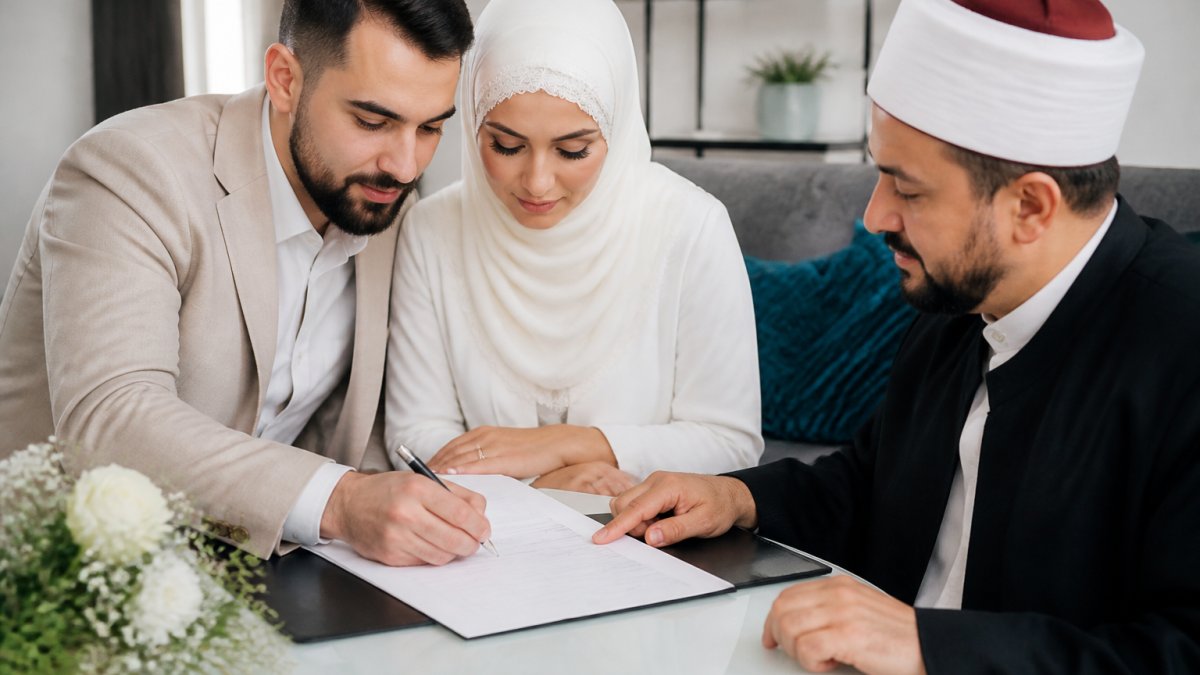
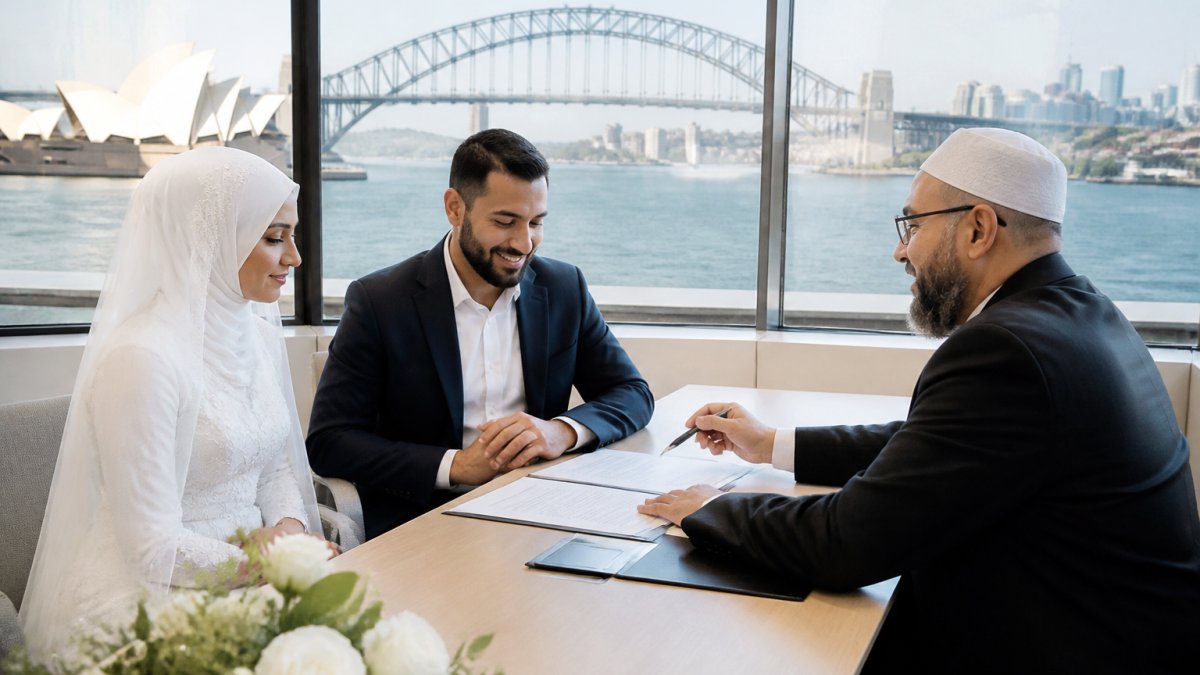
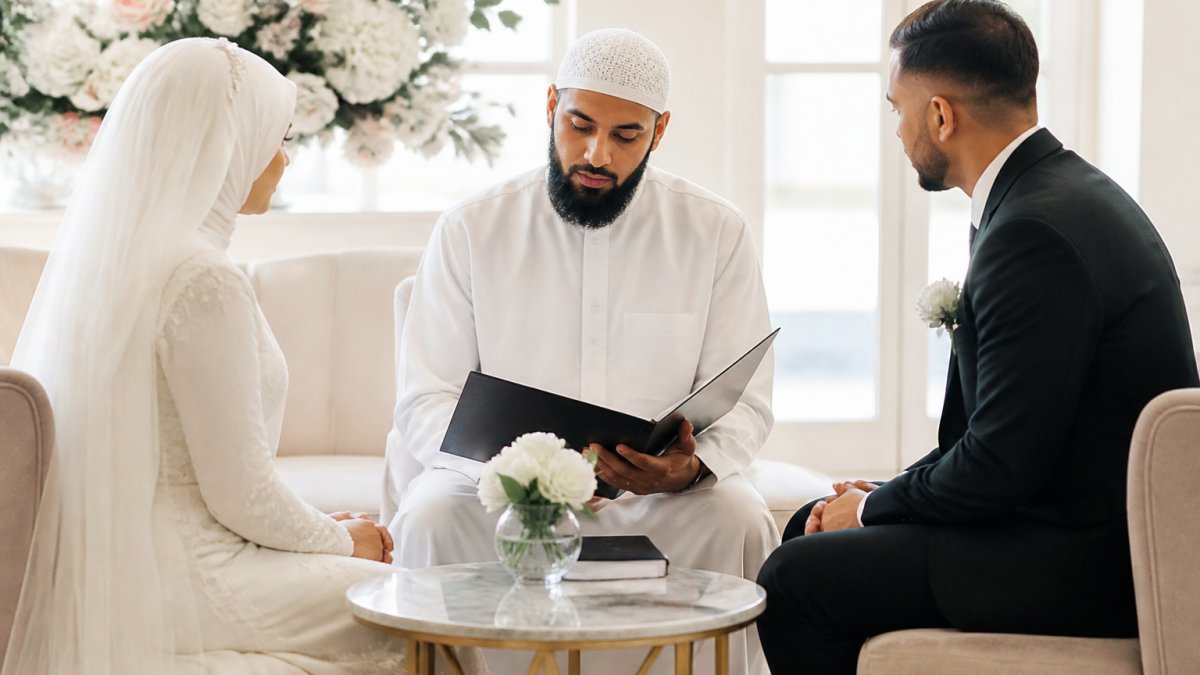
Here's the critical part: a registered marriage celebrant can perform a ceremony that satisfies both requirements simultaneously. The celebrant conducts the legal marriage according to the Marriage Act 1961, and within that same ceremony, Islamic vows and traditions are incorporated.
Some couples separate the two, a nikah with a Sheikh or Imam, then a civil ceremony with a celebrant. This works but means two events; a skilled celebrant who understands both traditions can weave them into one seamless experience.
The role of a celebrant in both traditions
A registered marriage celebrant's legal role is clear: they're authorised to solemnise marriages under Australian law. Their religious role depends on their background. If the celebrant is also a Sheikh or Imam, they bring Islamic authority to the ceremony.
This is why asking about a celebrant's background matters. Someone like Faisal Akhtar, who is both a registered marriage celebrant and an experienced Sheikh, brings dual expertise. They understand the legal requirements that make your marriage valid in Australia, and they understand the Islamic principles that make your nikah spiritually authentic. That combination is rare and valuable.
Marriage Celebrant Fees NSW: Understanding Costs and Inclusions
Pricing for marriage celebrant services varies. Understanding what you're paying for helps you compare options fairly, since fees reflect experience, ceremony complexity, and personalisation. Ask specifically what's included in the quoted fee and what costs extra.
For Muslim marriage ceremonies, personalisation often takes more consultation time: the celebrant must understand your family's expectations around the nikah, the Islamic traditions you want honoured, and how to blend those with Australian legal requirements.
Don't choose on price alone. The best value is the celebrant who understands your needs and delivers a ceremony reflecting your values.
Ceremonies With Faisal: Bridging Islamic Tradition and Australian Law
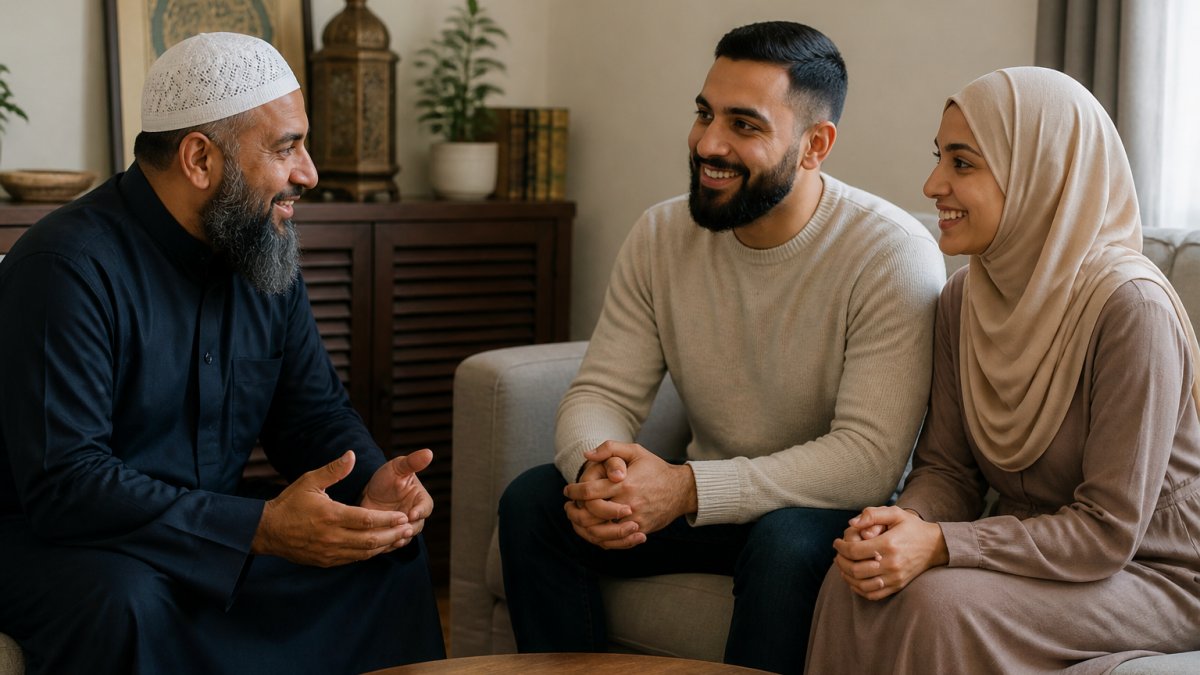
At Ceremonies With Faisal, we bring together two worlds many couples struggle to reconcile: the spiritual depth of Islamic tradition and the legal requirements of Australian marriage law. Faisal Akhtar is both a registered marriage celebrant and an experienced Sheikh, so he understands what it takes to create a ceremony that is legally binding, spiritually authentic, and deeply personal.
Dual expertise and personalised approach
What sets this approach apart is the combination of credentials. Faisal's registration means every ceremony he conducts is legally valid under the Marriage Act 1961; his background as a Sheikh brings Islamic authority and theological understanding to the ceremony itself.
We work with couples to understand their unique story, how you met, the values you share, what your family expects from the ceremony. These conversations shape the script, ensuring your nikah reflects who you are, not a generic template. For Muslim couples, Islamic vows and traditions are woven in authentically; for interfaith couples, both traditions are honoured equally.
Interfaith and civil ceremony capabilities
Many couples approach us with concern: "Can you actually do this?" The answer is yes. We've conducted traditional nikkah ceremonies for Muslim couples, civil marriages for secular couples, and interfaith celebrations where both partners' traditions are genuinely respected.
An interfaith ceremony requires more than good intentions: someone who understands both traditions deeply enough to explain them to a diverse audience, incorporate meaningful elements from each, and handle family tensions with grace.
This is where Faisal's background as both a Sheikh and a registered celebrant becomes essential: he can explain Islamic marriage principles to a non-Muslim audience without diluting them, and incorporate Christian elements without compromising Islamic authenticity. That balance makes interfaith ceremonies work.
Comparing Celebrant Options: What Sets Them Apart
When evaluating celebrants in Sydney, several factors distinguish the genuinely qualified from the simply available.
Registration status and legal authority
This is non-negotiable. Every celebrant you consider must be registered with the Australian Government's register of marriage celebrants. You can verify this on the Australian Government's official celebrant register. Registration means the celebrant has met training requirements, maintains professional standards, and is accountable to government oversight.
Some people call themselves celebrants without registration. They might conduct meaningful ceremonies, but those won't be legally binding, and your marriage won't be recognised by the state.
Service scope and ceremony customisation
Compare what each celebrant offers beyond the ceremony: multiple consultation meetings, help with the Notice of Intended Marriage paperwork, rehearsals before the big day, and working with your family to understand cultural or religious requirements.
For Muslim marriage ceremonies specifically, ask whether the celebrant has conducted nikkah ceremonies before. How many? Do they understand the difference between Sunni and Shia traditions, if that's relevant to your family? Can they incorporate specific Islamic elements your family expects, such as the Ijab and Qabul (offer and acceptance), the involvement of a Wali (guardian), or specific Quranic verses?
Customisation takes time and expertise: a celebrant with deep experience in your ceremony type will offer specialised knowledge.
Client support and administrative guidance
The best celebrants don't disappear after the ceremony: they're available for questions during planning, respond promptly to emails and calls, and follow up to ensure everything went smoothly.
Ask about their communication style: are they responsive, do they explain things clearly, can you reach them in the weeks before the ceremony? For couples managing family expectations or interfaith dynamics, this support is invaluable, a celebrant who guides you through potential conflicts is worth far more than one who simply shows up on the day.
| Aspect | What to Prioritise | Why It Matters |
|---|---|---|
| Registration | Government register verification | Legal validity of your marriage |
| Experience | Specific ceremony type (nikah, interfaith, civil) | Authentic, culturally appropriate ceremony |
| Consultation | Multiple meetings, personalised script | Ceremony reflects your story and values |
| Support | Responsive communication, administrative help | Smooth planning and peace of mind |
| Credentials | Sheikh/Imam background if relevant | Religious authority and spiritual authenticity |
Making Your Choice: Factors That Matter Most
Your choice of celebrant shapes one of the most important days of your life. It's worth investing time in finding the right person.
Start by clarifying what matters most. If legal compliance is primary, registration status is your first filter. If spiritual authenticity is central, the celebrant's religious background and experience with your tradition becomes critical.
Reach out to 2-3 celebrants and ask the questions outlined above. Notice how they respond: do they listen carefully, or launch into a standard pitch? Do they ask about your family, values, and vision?
Trust your instinct.
At Ceremonies With Faisal, we understand that your marriage ceremony is about more than paperwork. Whether you're planning a traditional nikah, a civil marriage, or an interfaith celebration, we work with you to create an experience that reflects who you are. Learn more about our services and book a consultation to start planning your ceremony today.
Frequently Asked Questions
Can one Muslim marriage celebrant conduct both a Nikah and a legally recognised Australian marriage ceremony?
Yes, a registered marriage celebrant with Islamic training can conduct both ceremonies simultaneously or separately. The Nikah fulfils religious requirements under Islamic law, while the marriage celebrant's registration under the Marriage Act 1961 ensures legal recognition in Australia. The best celebrants integrate both traditions into a single unified ceremony, making it spiritually meaningful and legally binding without requiring two separate events. Verify the celebrant's registration with the Australian Marriage Celebrants' Association and their Islamic credentials before booking.
What questions should I ask a Muslim marriage celebrant before booking?
Ask about their registration status with Australian authorities, their Islamic training and credentials, experience with interfaith ceremonies if relevant, their approach to personalisation, whether they assist with Notice of Intended Marriage paperwork, their ceremony duration and customisation process, availability for your date, and how they handle cultural or family sensitivities. Request references from previous couples and clarify what's included in their service. A strong celebrant welcomes detailed questions and takes time to understand your unique story and values.
How do I verify a Muslim marriage celebrant is registered and legitimate?
Check the Australian Marriage Celebrants' Association register to confirm registration status. A registered celebrant has completed formal training and must comply with the Marriage Act 1961. Ask for their registration number and verification documents. Research recent client reviews on Google and other platforms, checking review dates and specificity of feedback. Legitimate celebrants are transparent about their qualifications, happy to provide references, and can explain both their legal authority and Islamic credentials clearly.
What should I look for in reviews of a Muslim marriage celebrant?
Prioritise recent reviews that describe specific ceremony details, how the celebrant handled personalisation, and whether the couple felt heard and respected. Look for mentions of the celebrant's professionalism, punctuality, and ability to manage family dynamics or interfaith sensitivities. Authentic reviews often mention the consultation process, how well the celebrant understood their vision, and whether the ceremony felt meaningful. Be cautious of reviews that are generic or very old; they may not reflect current service quality. Multiple reviews highlighting consistency in professionalism and cultural sensitivity are strong indicators.